








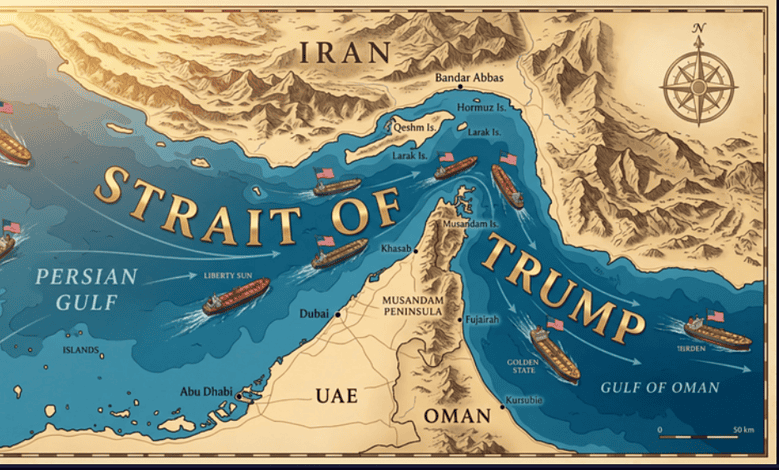
Strait of Hormuz Update: Iran and Oman have reportedly reached an understanding on new entry and exit routes for vessels navigating the strategic Strait of Hormuz, according to a report.
The development comes amid heightened international attention on maritime movement through the region. The Strait of Hormuz is one of the world’s most important shipping corridors, making any changes to vessel movement and navigation routes significant for global trade and energy markets.
Under the reported arrangement, new routes could help vessels manage their movement through the strategically important waterway. The move is being closely watched because disruptions or restrictions around the Strait of Hormuz can have wider implications for shipping, oil supplies and international markets.
Oman plays an important role in regional diplomacy, while Iran has significant influence over access to the Strait. Any coordination between the two countries regarding maritime routes could therefore be important for commercial shipping and regional stability.
The reported development is expected to attract attention from shipping companies, energy markets and countries dependent on maritime trade through the Gulf region. Further details about the routes, implementation and the categories of vessels covered are expected to clarify the impact of the agreement.
The Strait of Hormuz is one of the world’s most important maritime chokepoints, making any change to shipping arrangements there significant for international trade and energy markets. The waterway connects the Persian Gulf with the Gulf of Oman and is a major route for oil and other energy shipments.
Reports indicate that the proposed entry route would pass through Iranian territorial waters, while part of the exit route would also run through Iranian waters. The arrangement is intended to establish a defined mechanism for vessel movement through the strategically sensitive waterway.
The latest development could therefore become an important part of wider diplomatic efforts involving Iran, Oman and other Gulf countries. International shipping companies and energy markets are closely watching the situation because prolonged disruption around Hormuz could affect transportation costs, oil supplies and global energy prices.
The upcoming regional discussions in Muscat are expected to provide more clarity about how the proposed routes would operate and what conditions would apply to commercial vessels.