








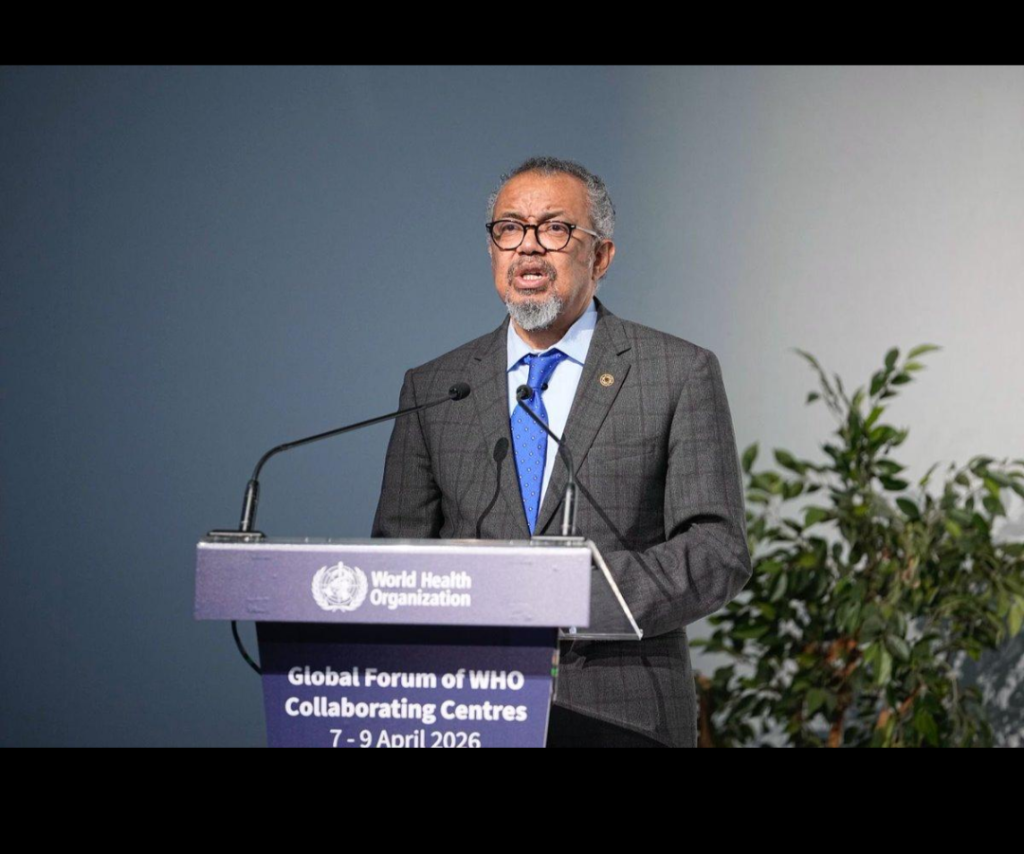
The World Health Organization (WHO) has warned that global progress toward health targets remains uneven, with improvements slowing or even reversing in several critical areas. The findings come from the World Health Statistics 2026 report, the agency’s annual assessment of health-related Sustainable Development Goal (SDG) indicators.
Released in May 2026, the report provides a comprehensive overview of global, regional, and national health trends and paints a mixed picture with fewer than five years left to achieve the 2030 targets.
New HIV infections fell by 40% between 2010 and 2024.
Tobacco use and alcohol consumption have declined since 2010.
The number of people requiring interventions for neglected tropical diseases dropped by 36% between 2010 and 2024.
Between 2015 and 2024, hundreds of millions of people gained access to essential services: 961 million to safely managed drinking water, 1.2 billion to sanitation, 1.6 billion to basic hygiene, and 1.4 billion to clean cooking solutions.
Regional bright spots include the WHO African Region, which achieved faster-than-global reductions in new HIV infections (−70%) and tuberculosis incidence (−28%). The South-East Asia Region is on track to meet its 2025 malaria reduction milestone.
The report emphasizes the need for stronger health systems, improved data systems (especially civil registration and vital statistics), sustained financing, and targeted action to address inequalities. It stresses that without accelerated efforts, many health-related SDG targets will be missed.
WHO officials described the overall picture as sobering and urged governments and partners to protect hard-won gains while scaling up investments in prevention, primary care, and equity-focused interventions.
The World Health Statistics 2026 serves as both a progress report and a warning: while significant advances have been made in some areas, the pace is too slow and too uneven to leave no one behind by 2030.