






Middle East tensions have driven international oil prices higher once again, with Brent crude futures settling above the psychologically important $100-a-barrel mark for the first time since late July.
On Wednesday, September 9, 2026, Brent crude closed up 3.4% at $101.21 a barrel after touching a session high of $101.58. U.S. West Texas Intermediate (WTI) rose 3.25% to settle at $96.05. Prices held firm into Thursday trading, remaining above the $100 threshold amid fresh concerns over energy supplies.
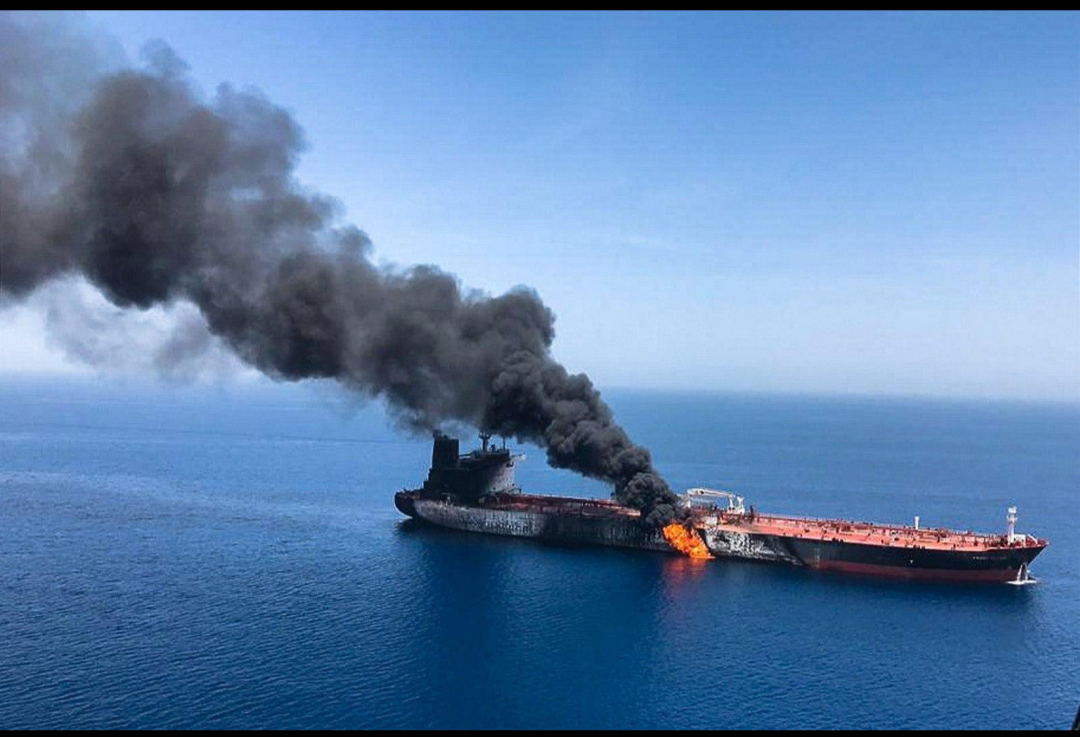
The surge followed the biggest declared wave of tit-for-tat attacks on commercial shipping by the United States and Iran since the six-month-old conflict began. The U.S. military said it destroyed five Iranian oil tankers in response to Iranian ballistic-missile attacks targeting a U.S. Navy warship. Iran’s Islamic Revolutionary Guard Corps (IRGC) said it retaliated by attacking 10 ships near the Strait of Hormuz—including claims of strikes on two U.S. vessels and eight oil tankers—and by firing ballistic missiles at a base used by U.S. forces near Al-Azraq in eastern Jordan.
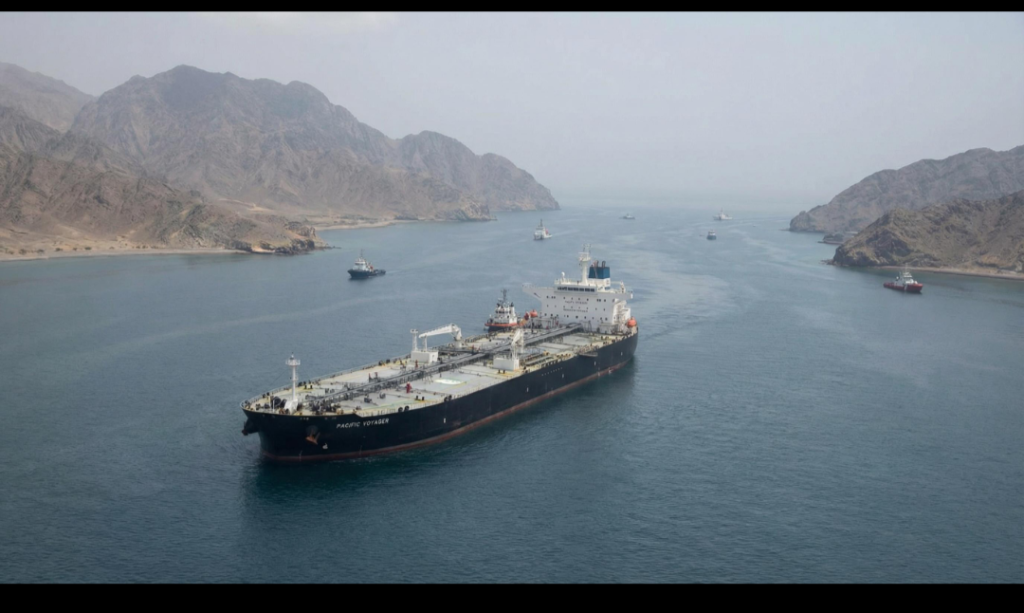
At least one seafarer was reported killed and another missing after an attack on a tanker near Dubai. Maritime authorities received multiple reports of merchant vessels subjected to disabling fire in the northern Gulf and Gulf of Oman. The IRGC also indicated it would expand a prohibited shipping zone beyond the Strait of Hormuz.
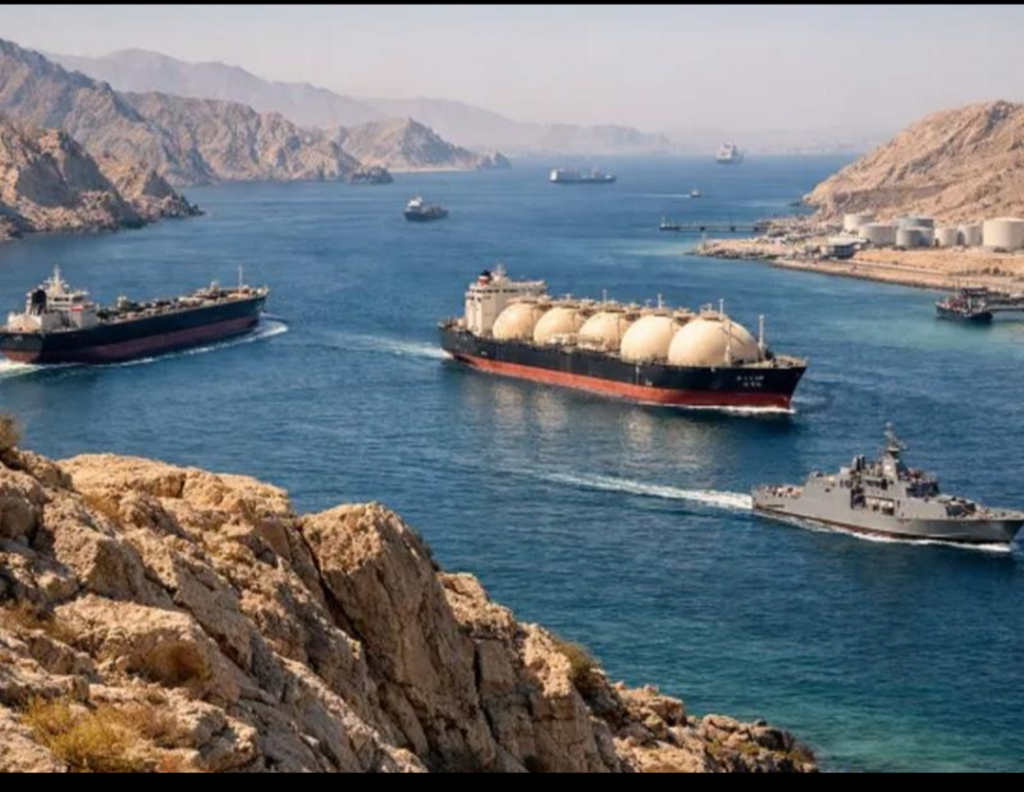
The Strait of Hormuz normally carries about one-fifth of the world’s oil and significant volumes of liquefied natural gas. Traffic has been severely restricted for months due to Iranian threats, a U.S. naval presence, and repeated attacks. Recent data showed only a handful of vessels transiting daily—far below pre-war averages—raising fears of deeper and more prolonged supply disruptions.
Oil markets had earlier retreated from wartime peaks (Brent briefly reached $126 in April) amid hopes of de-escalation and temporary arrangements allowing limited flows. Those hopes faded as fighting resumed in late August and intensified this week. Analysts note that physical crude benchmarks had already been trading above $100, and the latest attacks have pushed paper markets higher as well. Some forecasts warn prices could climb further—potentially toward $120—if disruptions worsen or alternative routes (such as Red Sea shipments) face additional threats from Iran-backed groups.
The developments underscore the vulnerability of global energy markets to geopolitical shocks in the Middle East. Higher crude prices are already feeding through to refined products, with implications for inflation, transportation costs, and economic growth worldwide. Markets will closely watch whether the latest exchanges lead to further escalation or any renewed diplomatic efforts.
Word count guidance for full post: 500–700 words (expand with market reaction quotes, historical context on Hormuz importance, or analyst views as needed).
