







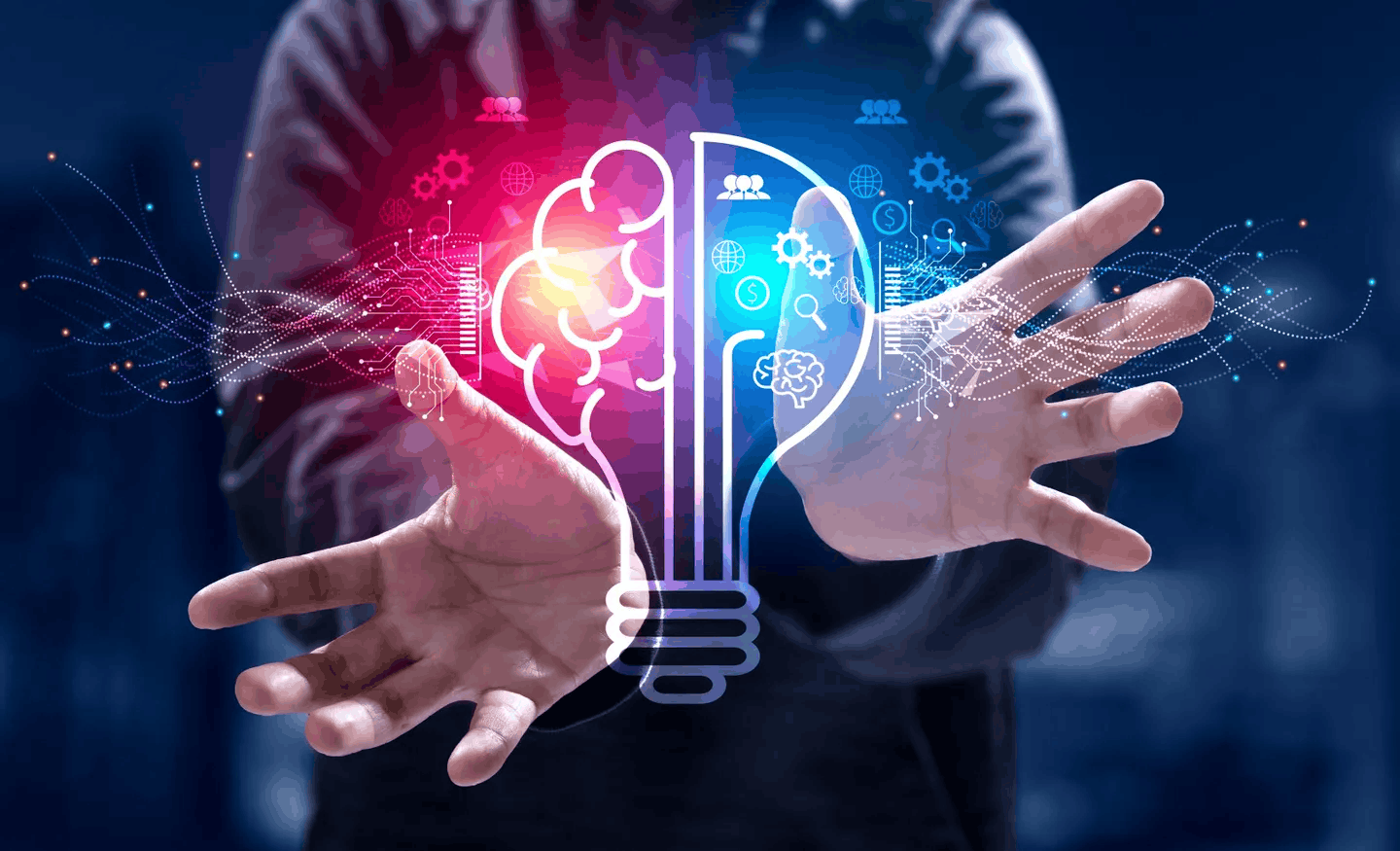
Technology is advancing rapidly, and the next ten years could bring major changes to healthcare, transportation, manufacturing, agriculture and energy. Artificial intelligence, quantum computing, biotechnology and intelligent robotics are among the innovations expected to reshape how people live and work.
According to emerging technology trends highlighted in a recent Forbes analysis, the biggest transformation will come from these technologies working together rather than developing independently.
1. Artificial Intelligence Will Become Part of Everyday Life
Artificial intelligence is expected to move beyond chatbots and digital assistants. Advanced AI systems could increasingly support hospitals, transportation networks, agriculture, energy management and scientific research.
In healthcare, AI can help analyse medical scans, identify potential health risks and accelerate drug discovery. Businesses may also use intelligent systems to improve productivity and automate complex operations.
However, growing dependence on AI could increase cybersecurity threats, including deepfakes, automated attacks and sophisticated digital fraud.
2. Quantum Computing Could Change Scientific Research
Quantum computing is emerging as an important technology with the potential to solve problems that conventional computers struggle to handle.
Future applications could include discovering new medicines, developing advanced materials and improving logistics and energy systems.
At the same time, powerful quantum computers could threaten existing digital encryption methods. Governments and businesses will therefore need to prepare stronger cybersecurity systems and adopt quantum-resistant encryption.
3. Biotechnology Could Transform Healthcare and Agriculture
Advances in biotechnology, genetic research and AI are creating new possibilities for personalised medicine and disease treatment.
Scientists could increasingly develop treatments suited to individual genetic profiles, improve gene-editing techniques and accelerate the development of new medicines.
Agriculture could also benefit through engineered crops designed to withstand drought, heat and diseases. Precision fermentation may further contribute to alternative food production.
4. Connected Devices Will Make Industries Smarter
The combination of the Internet of Things, advanced communication networks and intelligent sensors is expected to connect more physical systems to digital platforms.
Smart vehicles, connected medical equipment, automated farms and intelligent electricity grids could become increasingly common.
Drones may also play a larger role in emergency services, infrastructure inspections, agriculture and transportation.
However, connecting more devices will create additional cybersecurity and infrastructure risks.
5. Robotics Will Change the Future of Work
Robots are gradually moving beyond traditional factory production lines. Improvements in artificial intelligence, sensors and battery technology could allow them to work in hospitals, warehouses, farms and dangerous industrial environments.
Robotic systems may assist surgeons, conduct laboratory experiments, handle repetitive tasks and inspect locations that are unsafe for humans.
Although automation could reduce demand for certain jobs, it may also create opportunities in robotics maintenance, programming, supervision and cybersecurity. Workforce training will become increasingly important.
6. Smart Energy Systems and Space Technology Will Expand
Energy infrastructure and space-based services are expected to become increasingly important over the next decade.
Smart electricity grids, advanced batteries and AI-powered energy forecasting could help improve the management of renewable energy and growing electricity demand.
Meanwhile, satellites will continue supporting navigation, communications, weather forecasting, agriculture and national security.
The expansion of space infrastructure and increasing demand from AI data centres will also create new challenges involving energy consumption, cybersecurity and system reliability.
Preparing for a Technology-Driven Future
The next decade is likely to be shaped by the combined influence of artificial intelligence, quantum computing, biotechnology, connected devices, robotics and advanced energy systems.
While these developments could improve productivity, healthcare and scientific research, they will also introduce challenges involving employment, privacy, cybersecurity and responsible technology management.
Countries and businesses that invest in innovation, digital security and workforce development will be better positioned to benefit from the technological changes ahead.