






A strong back plays an important role in maintaining good posture, supporting the spine and making everyday movements easier. However, spending long hours sitting at a desk, using mobile phones and following a sedentary lifestyle can weaken back muscles and contribute to stiffness and discomfort.
The good news is that strengthening your back does not always require expensive gym memberships or heavy equipment. Several simple exercises can be performed at home to improve muscle strength, flexibility and core stability.
Here are seven exercises that can help build a stronger back with regular practice.
1. Bird Dog Exercise for Back Stability
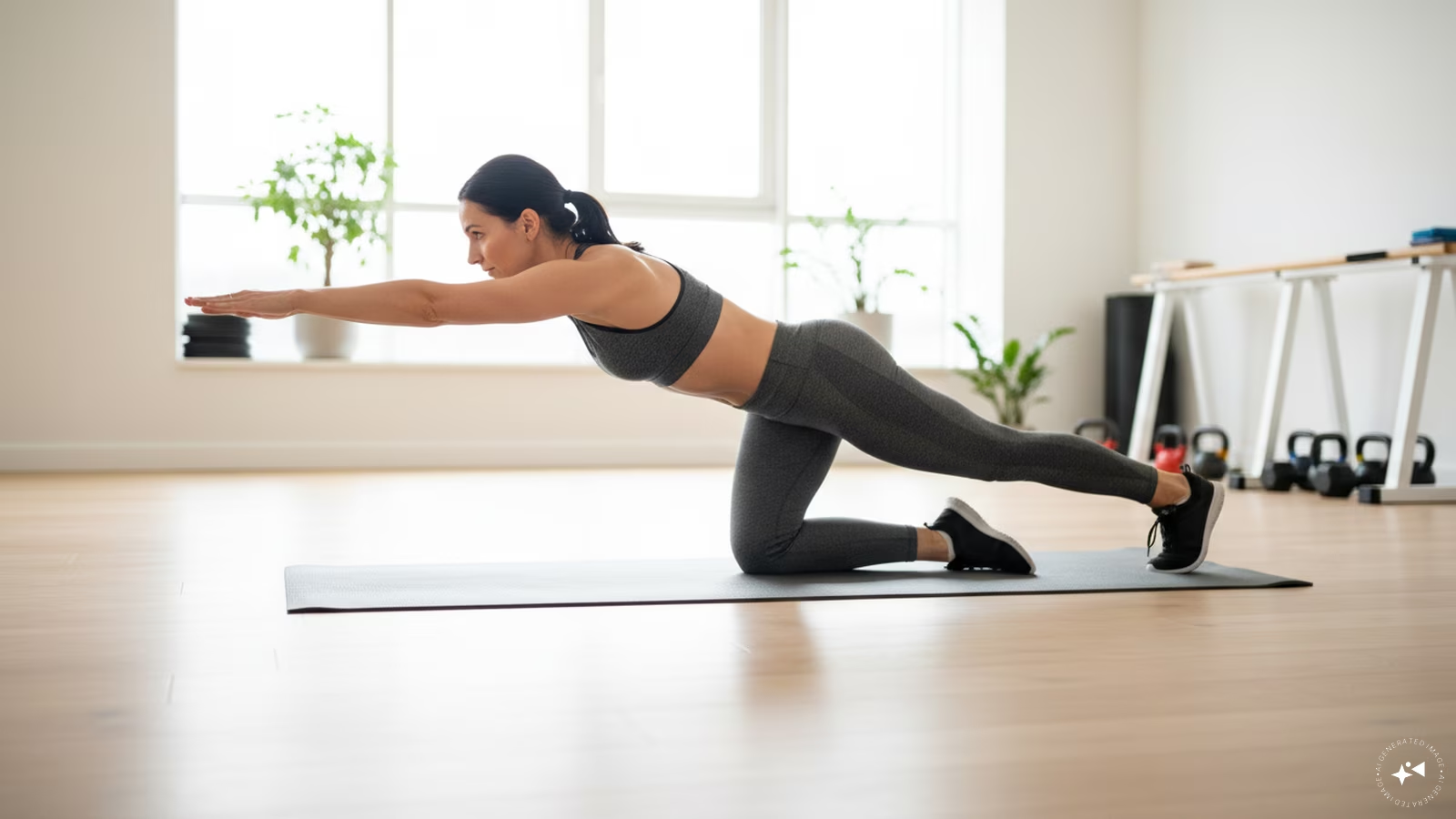
The bird dog exercise works the back and abdominal muscles while improving balance and coordination.
Start on your hands and knees, keeping your hands beneath your shoulders and knees below your hips. Extend your right arm forward while stretching your left leg backwards. Hold briefly before returning to the starting position. Repeat with the opposite arm and leg.
Keep your back straight and avoid raising your leg too high.
2. Glute Bridge to Strengthen the Lower Back
Glute bridges strengthen the glutes, hips and supporting muscles around the lower back.
Lie on your back with your knees bent and feet flat on the floor. Tighten your abdominal muscles and squeeze your glutes while slowly lifting your hips. Hold the position for a few seconds before lowering your body.
Perform the movement slowly without arching your lower back excessively.
3. Superman Exercise for Back Muscles
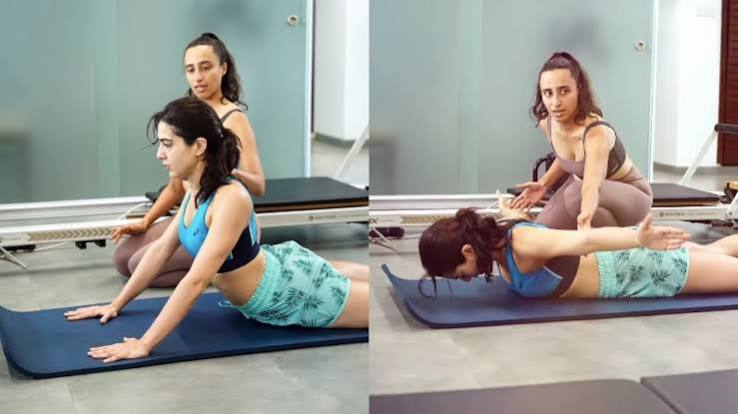
The Superman exercise targets the muscles running along the back of the body.
Lie face down with your arms extended in front of you and legs straight. Gently lift your arms, chest and legs slightly off the floor. Hold briefly and slowly return to the starting position.
Beginners should start with small movements and avoid forcing their backs into an uncomfortable position.
4. Cat-Cow Stretch to Improve Spinal Mobility
Cat-Cow is a gentle movement that helps improve spinal mobility and reduce stiffness.
Begin on your hands and knees. Slowly round your back towards the ceiling while bringing your head down. Next, lower your stomach towards the floor and gently lift your chest and head.
Repeat the movement smoothly while coordinating it with your breathing.
5. Pelvic Tilts for Core Support
Pelvic tilts are particularly useful for beginners who want to activate their abdominal and lower-back muscles.
Lie on your back with your knees bent and feet resting on the floor. Tighten your abdominal muscles and gently press your lower back towards the floor. Hold for a few seconds before relaxing.
Repeat the movement without lifting your hips.
6. Wall Sit for Core and Lower-Body Strength
Wall sits mainly strengthen the thighs and glutes while also engaging the core muscles that help support the lower back.
Stand with your back against a wall and slowly slide down until your knees are comfortably bent. Keep your back supported against the wall and hold the position before returning to standing.
Beginners can start with shorter holds and gradually increase the duration.
7. Plank for Stronger Core Muscles
Planks strengthen the abdominal muscles and improve core stability, which helps support the spine.
Start on your forearms and toes, keeping your body in a straight line from your head to your heels. Tighten your abdominal muscles and avoid allowing your hips to drop or rise excessively.
Hold for a comfortable duration while maintaining proper form.
Tips for Building a Stronger Back Safely
Consistency is more important than performing too many repetitions at once. Beginners should start slowly, focus on correct technique and increase exercise intensity gradually.
A few additional habits can support back health:
- Avoid sitting continuously for several hours.
- Take regular movement breaks during desk work.
- Maintain a comfortable sitting posture.
- Include walking and gentle stretching in your routine.
- Allow adequate recovery between strengthening sessions.
People experiencing persistent back pain, numbness, weakness or pain radiating into the legs should seek medical advice before starting a new exercise programme.
Final Thoughts
A stronger back can improve everyday movement, posture and overall physical fitness. These seven exercises offer a simple starting point for people who want to strengthen their supporting muscles without visiting a gym.
However, good technique, gradual progress and consistency are essential. Combining regular exercise with an active lifestyle can help build better strength and mobility over time.
Disclaimer: This article provides general fitness information and is not a substitute for professional medical advice. Consult a qualified healthcare professional or physiotherapist if you have an existing back condition or experience pain during exercise.