









Fitness Is More Than Strength and Stamina
Running improves endurance, while weightlifting builds muscle and supports bone health. However, being strong and physically active does not always mean your body moves comfortably through its full range of motion.
Yoga can complement these workouts by bringing together flexibility, mobility, balance and controlled breathing. Rather than replacing cardio or strength training, it can help create a more balanced fitness routine.
How Yoga Complements Running and Weightlifting
Different forms of exercise develop different physical abilities. Running challenges cardiovascular endurance, while resistance training builds strength. Yoga adds movement control, balance and body awareness to this combination.
Regular practice may help people work on areas of stiffness and improve their ability to perform everyday movements. The benefits depend on the style of yoga, the individual’s needs and how consistently they practise.
Mobility and Flexibility Are Not the Same
Flexibility refers to how far muscles and other tissues can stretch, while mobility involves moving a joint through its range of motion with control.
Someone may lift heavy weights but still have limited movement in certain joints. Equally, not being able to touch your toes does not automatically mean you have a mobility problem.
Yoga can help develop flexibility and movement control, but the goal should be comfortable, functional movement rather than achieving a particular pose.
Yoga Can Support Balance and Body Awareness
Many yoga poses require coordination, stability and controlled movement. Tree Pose, for example, challenges balance, while gentle standing and floor postures encourage awareness of body position.
These skills can complement other physical activities, particularly when a workout routine focuses mainly on strength or endurance. However, yoga should not be considered a guaranteed way to prevent injuries or treat every movement limitation.
The Role of Breathing and Relaxation
Breathwork is another feature that distinguishes yoga from many conventional exercise routines. Coordinating breathing with movement encourages people to slow down and pay attention to their physical responses.
Gentle breathing practices and restorative poses may help some people relax after a demanding day or workout. Yoga can also support aspects of mental well-being, although individual results vary.
Five Beginner-Friendly Yoga Poses to Try
1. Reclining Hand-to-Big-Toe Pose (Supta Padangusthasana)
This lying-down pose gently stretches the hamstrings and works on hip mobility. A yoga strap can help beginners maintain a comfortable position.
2. Tree Pose (Vrikshasana)
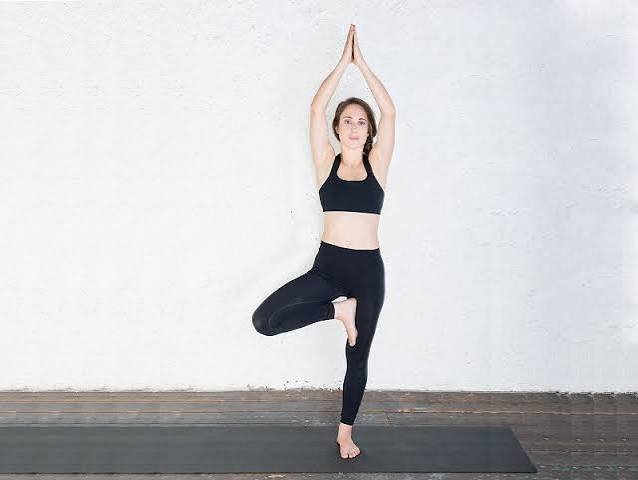
Tree Pose develops balance and postural control. Beginners can stand near a wall or hold a chair for support.
3. Standing Forward Bend (Uttanasana)
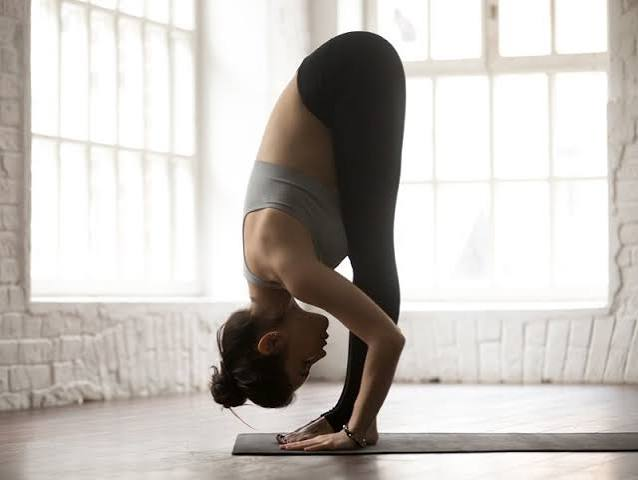
This pose stretches the back of the legs. Bending the knees slightly can make it more accessible, especially for people with tight hamstrings.
4. Cobra Pose (Bhujangasana)
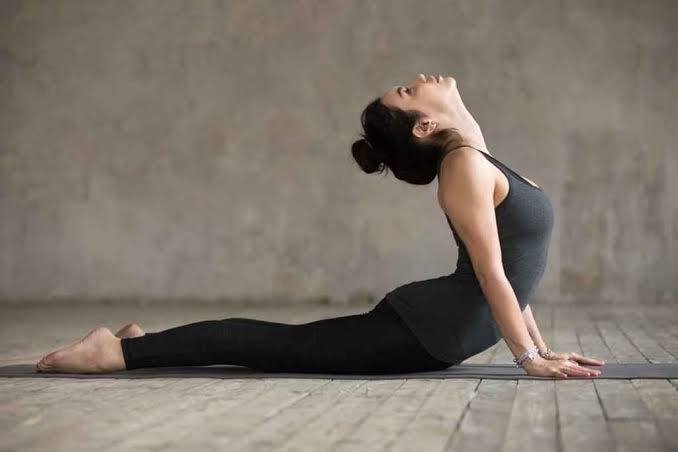
Cobra Pose introduces gentle spinal extension and engages the back muscles. Keep the movement comfortable and avoid pushing into an excessive arch.
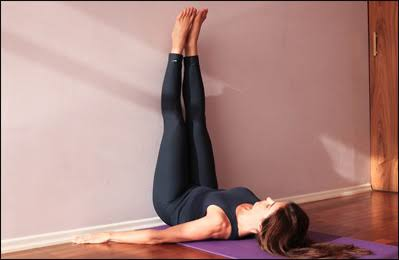
5. Legs-Up-the-Wall Pose (Viparita Karani)
This supported posture offers a quiet way to unwind after a busy day. Adjust your distance from the wall to remain comfortable.
How to Add Yoga to Your Existing Routine
You do not need to give up running or strength training to benefit from yoga. Begin with short, beginner-friendly sessions and gradually increase the duration as your comfort improves.
You could practise gentle mobility-focused yoga after an easy workout or set aside a separate session for balance, stretching and breathing. Continue strength training and cardiovascular exercise according to your fitness goals.
If you have a recent injury, persistent pain or a medical condition, seek advice from a qualified healthcare professional before attempting challenging poses. Stop any movement that causes pain.
A More Balanced Approach to Fitness
Fitness is not measured only by how much weight you lift or how far you run. Strength, endurance, balance, mobility and recovery all contribute to how comfortably you move through everyday life.
Yoga may not be essential for everyone, but it can be a valuable addition for people who want to complement their existing workouts with greater attention to movement, breathing and relaxation.
