







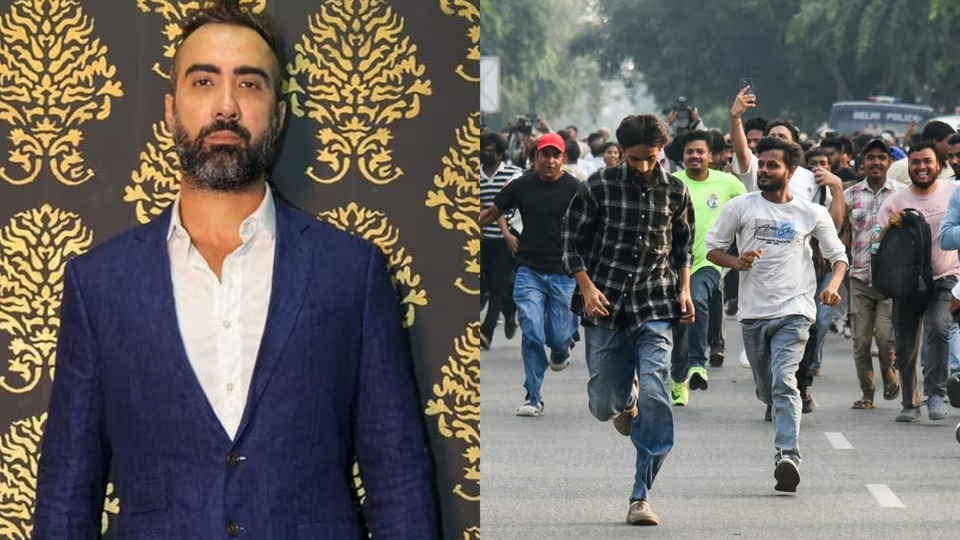
Actor Ranvir Shorey has criticised the Cockroach Janta Party’s (CJP) call for protests in Delhi, urging the group to pursue its demands through democratic institutions rather than disrupting public spaces. His comments come amid growing controversy over demonstrations against Chief Election Commissioner Gyanesh Kumar.
1. Ranvir Shorey Reacts to CJP’s Protest Call
Shorey responded on X to a video featuring CJP spokesperson Saurav Das, who appealed to citizens to join the movement and said the group would not withdraw its demands.
The actor argued that political groups should use established democratic channels to seek accountability rather than disrupt public infrastructure.
2. What Did Ranvir Shorey Say?
Shorey urged the group to demonstrate its support through Parliament and elections, adding that courts should be approached if people believe democratic processes are unjust.
He argued that blocking streets and disrupting public spaces could undermine democratic principles. His remarks reflected his opposition to the protest strategy, rather than an endorsement of the group’s demands.
3. Why Is CJP Protesting?
The CJP-led movement is demanding the resignation of Chief Election Commissioner Gyanesh Kumar and raising concerns about the Election Commission’s Special Intensive Revision (SIR) of electoral rolls.
The group and other critics have alleged irregularities in the revision process and raised concerns about voter disenfranchisement. The Election Commission and the BJP have rejected allegations of electoral manipulation.
4. Delhi Protests and Detentions
The demonstrations have prompted heightened security arrangements and the detention of protesters in the national capital. CJP leaders Abhijeet Dipke, Saurav Das and Ashutosh Ranka were among those associated with the planned demonstration.
The detentions have drawn criticism from opposition leaders and others, adding to the debate over the handling of protests and the right to peaceful assembly.
5. Debate Over Protest and Democratic Rights
Shorey’s comments have added a celebrity voice to a wider debate about how political groups should express dissent. Supporters of institutional processes emphasise elections, parliamentary debate and legal remedies, while protest movements often use public demonstrations to draw attention to their demands.
The controversy highlights the tension between maintaining public order and protecting the right to peaceful assembly. The legality of particular restrictions or police actions depends on the circumstances and applicable law.
6. The Issue Beyond the Actor’s Remarks
The dispute over the CJP protests is part of a broader political confrontation over electoral roll revisions and demands for accountability from election authorities.
While Shorey has criticised the use of street protests, the central questions surrounding the SIR process and the handling of demonstrations remain subjects of political and legal debate.
