







Norway Moves to Restrict AI Smart Glasses
Norway is preparing to propose a temporary ban on the use of AI-powered smart glasses in certain public places, citing concerns that people could be photographed, filmed or recorded without their knowledge. The government plans to send the proposal to parliament soon.
Where Could the Ban Apply?
The proposed restrictions could cover parks, beaches, museums, shopping centres and public events. Schools, playgrounds, kindergartens, healthcare facilities and fitness centres with changing rooms or showers could also fall under the rules.
Why Are Smart Glasses Raising Privacy Questions?
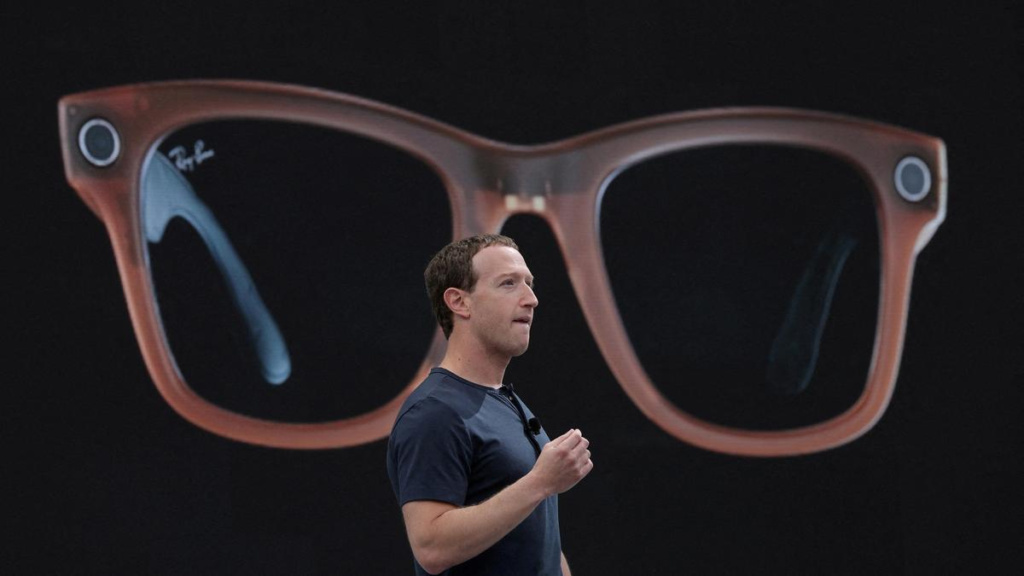
Unlike smartphones, smart glasses can look like ordinary eyewear while carrying cameras, microphones and internet connectivity. This makes it possible to capture images, video or audio without people nearby immediately realising they are being recorded.
Norwegian officials say this could make people feel monitored in places where they normally expect a degree of privacy.
Not a Complete Ban
Norway is not proposing to prohibit smart glasses altogether. The temporary measure is intended to give authorities time to study the technology and develop longer-term rules.
The government is also considering exceptions for certain socially beneficial uses and vulnerable groups.
Meta’s Privacy Measures Under Scrutiny
Meta, which makes Ray-Ban Meta smart glasses with EssilorLuxottica, says its camera-equipped glasses use an external LED to indicate when recording is taking place. The company also advises users to respect people’s preferences and stop recording when asked.
However, privacy concerns continue despite these safeguards, particularly over whether bystanders can meaningfully consent to being recorded.
A Growing Global Debate
Norway’s proposal comes amid wider scrutiny of smart glasses. Restrictions have emerged or been considered in places including the UK and US, while some businesses have also limited their use.
The debate highlights a bigger question for wearable AI: how can technology become more useful without making everyday public spaces feel constantly monitored?
What Happens Next?
Norway plans to use the temporary restrictions as an opportunity to examine the technology and consider permanent regulations. The outcome could also influence how other countries approach camera- and microphone-enabled wearable devices as AI glasses become more common.
