






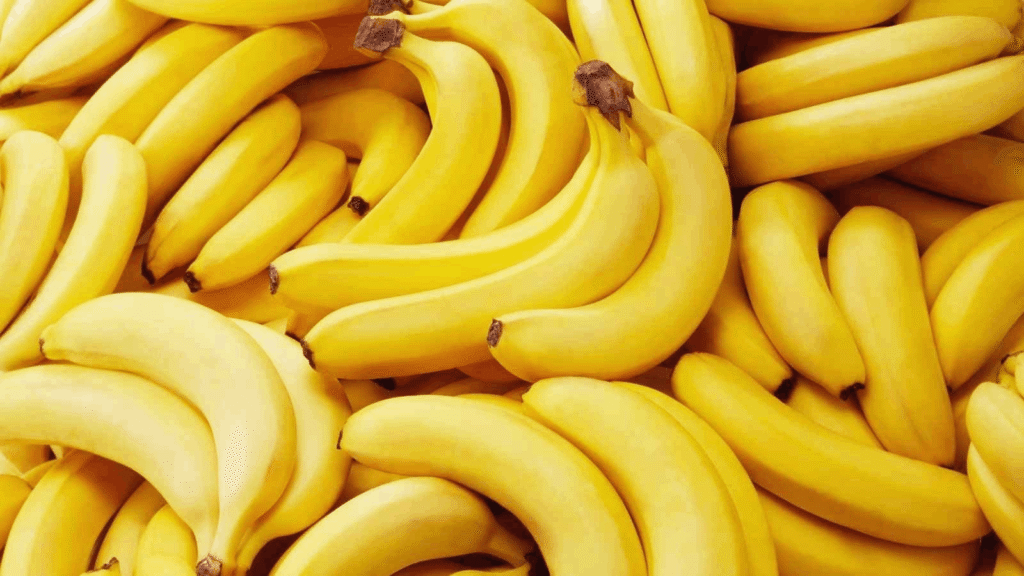
Bananas are one of the easiest fruits to add to a daily diet. They require no preparation, are naturally sweet and provide carbohydrates, fibre and important nutrients such as potassium.
But does the time of day matter? The answer depends largely on why you are eating the banana. There is no single time that is best for everyone.
Banana in the Morning
A banana can be a convenient addition to breakfast, particularly when paired with foods containing protein and healthy fats.
Adding sliced banana to yoghurt, oats or whole-grain cereal can make a simple breakfast more filling. A banana can also be useful when you need something quick before starting the day.
Banana Before a Workout
For people who exercise, a banana can work as a convenient source of carbohydrates.
The American Heart Association notes that if you have only a few minutes before exercising, a piece of fruit such as a banana can provide easily digested carbohydrates.
Mayo Clinic also lists bananas among suitable pre-workout snack choices and recommends adjusting meal size and timing according to how close you are to exercise.
Banana After Exercise
A banana can also be part of a post-workout snack or meal. Its carbohydrates can contribute to replenishing energy stores, while combining it with a protein source can make the snack more balanced.
For example, banana with yoghurt, milk or a small amount of nut butter can provide a combination of carbohydrates and protein.
Is Eating a Banana at Night Bad?
There is no general rule that says bananas must be avoided at night. For most healthy people, a banana can simply be another fruit option during the evening.
What matters more is the overall diet and portion size rather than the clock. If someone is hungry between dinner and bedtime, a banana can be a relatively simple snack.
What Makes Bananas a Useful Food?
Bananas provide potassium, fibre, vitamin B6 and carbohydrates. A medium banana contains roughly 3 grams of fibre and about 420 milligrams of potassium, according to recent nutrition guidance.
Their carbohydrate content also makes them convenient for people who need quick fuel around physical activity.
Does Ripeness Matter?
Yes. The nutritional profile of a banana changes as it ripens. Less-ripe bananas contain more resistant starch, while ripe bananas become softer and sweeter.
This means people may choose different stages of ripeness depending on taste, digestion and how they plan to use the fruit.
Who Should Be More Careful?
Bananas are generally suitable for most healthy adults, but people with certain medical conditions may need to pay attention to their potassium intake.
People with kidney disease or those taking medicines that can increase potassium should speak with a healthcare professional about appropriate dietary choices.
So, When Should You Eat a Banana?
The best time depends on your routine:
- Morning: A convenient addition to breakfast.
- Before exercise: A quick source of carbohydrates.
- After exercise: Useful as part of a balanced recovery snack.
- Evening: Can be eaten as a simple snack if it fits your overall diet.
Rather than worrying about a strict “best time,” it makes more sense to consider how the banana fits into your meals, activity level and individual nutritional needs.
The Bottom Line
A banana does not have a magic time slot. Whether you eat one in the morning, around a workout or in the evening, it can be part of a balanced diet. What matters most is the overall quality of your diet and choosing foods that fit your lifestyle and nutritional needs.