







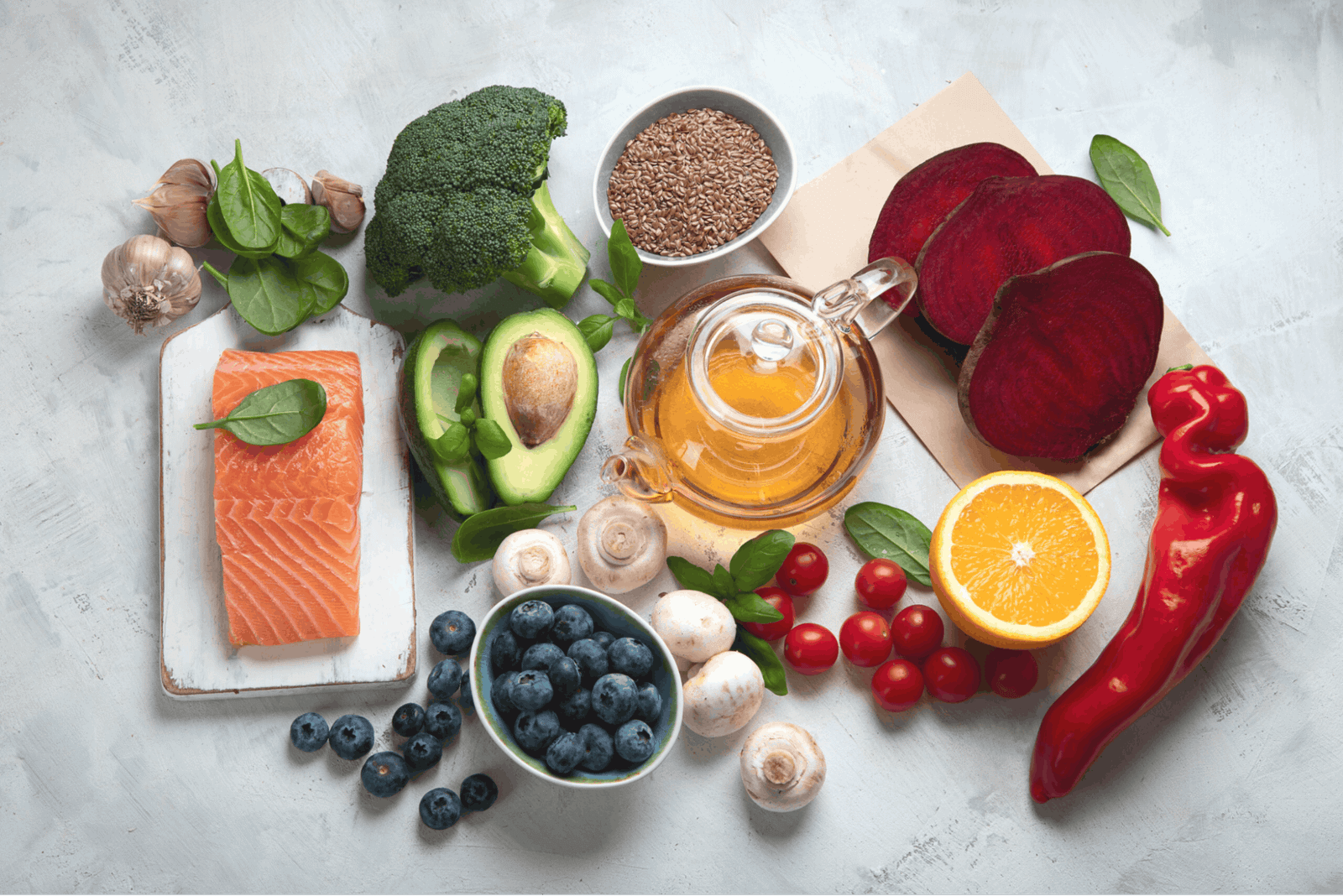
A healthy diet plays an important role in supporting the body’s overall health and may help reduce the risk of certain cancers. Vegetables are particularly valuable because they provide fibre, vitamins, antioxidants and plant compounds that support normal bodily functions.
Hyderabad-based cancer surgeon Dr Arrjun Sankaran recently highlighted eight vegetables that people can include in their regular meals. He also explained how cooking methods can influence the nutritional benefits of these foods.
While no vegetable can independently prevent or cure cancer, eating a varied, plant-rich diet can contribute to a healthier lifestyle.
1. Garlic and Onion: Everyday Ingredients With Protective Compounds
Garlic contains sulphur-based compounds that have been studied for their potential health benefits, including possible links with a lower risk of certain cancers.
The surgeon recommends crushing or chopping garlic and allowing it to rest for approximately 10 minutes before cooking. Adding it towards the end of cooking may help preserve some beneficial compounds.
Onions also contain antioxidants and plant chemicals. Including raw onions in salads or lightly cooking them can help retain their nutritional value.
2. Tomatoes: Cooking Can Improve Nutrient Availability
Tomatoes are rich in lycopene, an antioxidant associated with potential health benefits.
Interestingly, cooking tomatoes can increase the availability of lycopene, particularly when prepared with a small amount of healthy oil.
Homemade tomato-based dishes, soups and chutneys can be convenient ways to include tomatoes in everyday meals. However, products such as packaged ketchup may contain considerable added sugar and salt.
3. Carrots: A Good Source of Beta-Carotene
Carrots provide beta-carotene, which the body converts into vitamin A. This nutrient supports healthy vision, immune function and normal cell growth.
Lightly cooking carrots with a little oil can improve the absorption of certain fat-soluble nutrients.
They can be included in vegetable preparations, soups, salads and mixed dishes as part of a balanced diet.
4. Cauliflower and Cabbage: Cruciferous Vegetables Worth Including
Cauliflower and cabbage belong to the cruciferous vegetable family and contain compounds called glucosinolates.
These compounds have attracted scientific interest because of their potential role in supporting the body’s natural protective processes.
Steaming or quick stir-frying these vegetables can help retain their nutrients. They can easily be incorporated into Indian meals through gobhi sabzi, cabbage poriyal and other vegetable preparations.
5. Broccoli: Rich in Beneficial Plant Compounds
Broccoli is another cruciferous vegetable known for its sulforaphane-related compounds.
Light steaming for approximately three to four minutes is one suggested preparation method. Adding crushed raw mustard seeds may also help support the formation of beneficial compounds.
Regularly including broccoli in a varied diet can provide fibre, vitamins and other valuable nutrients.
6. Mushrooms: A Nutritious Addition to Everyday Meals
Mushrooms provide fibre and several nutrients, including B vitamins and minerals. Certain mushroom compounds are also being investigated for their potential health effects.
Dr Sankaran highlights their possible association with lower breast cancer risk.
Mushrooms can be sautéed, grilled or added to dishes such as mushroom matar and omelettes. It is important to cook mushrooms properly and avoid consuming unidentified wild varieties, as some can be poisonous.
Building a Healthy Diet for Long-Term Protection
Including these eight vegetables in everyday meals can improve dietary variety and provide important nutrients. However, eating all of them every day is not necessary.
A balanced diet containing different vegetables, fruits, whole grains and other nutritious foods is a more sustainable approach. The World Health Organization recommends consuming at least 400 grams of fruits and vegetables daily for adults.
Along with healthy eating, maintaining a healthy weight, exercising regularly, avoiding tobacco and limiting alcohol can contribute to reducing cancer risk.
The most important takeaway is that cancer prevention involves several lifestyle factors. No single vegetable, food or cooking method can guarantee protection against the disease.