







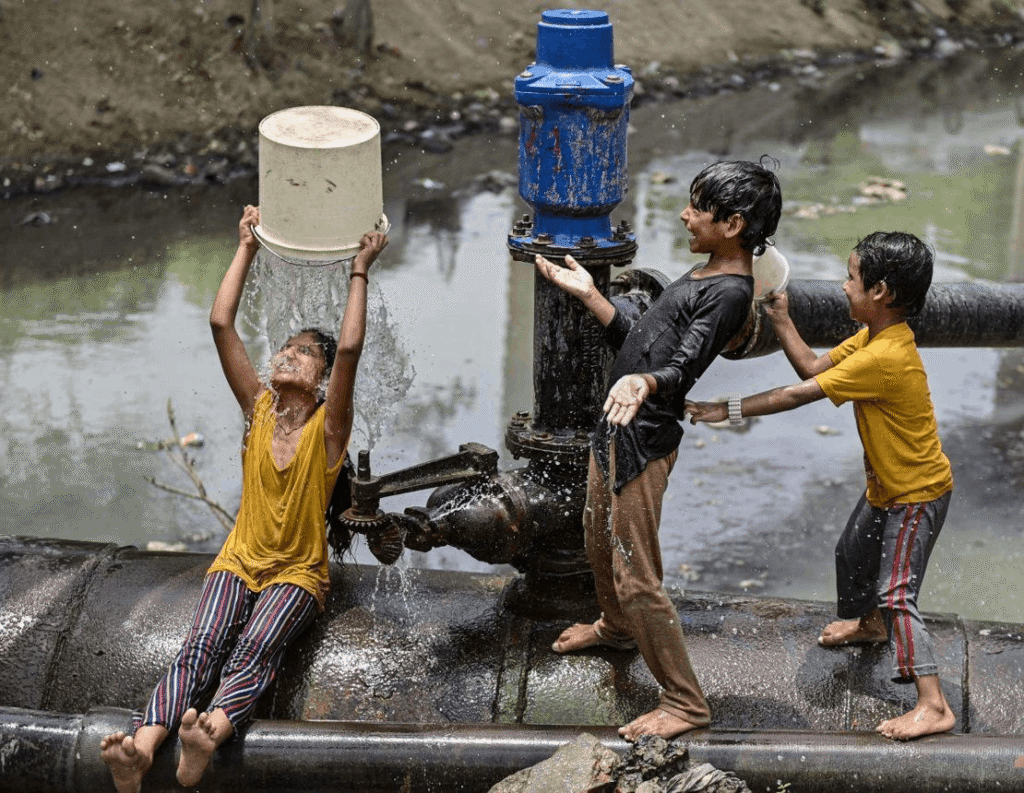
Extreme heat is becoming more than an uncomfortable part of summer. New research suggests that climate change is exposing millions of Indian children to dangerous levels of heat stress, raising concerns about dehydration, heatstroke and their overall well-being.
A study from researchers at Vrije Universiteit Brussel found that around 145 million Indian children aged 0–9, or about 61% of children in this age group, experience at least one additional month of heat stress each year that can be attributed to human-caused climate change. Globally, the figure is estimated at about 560 million children.
Why children are particularly vulnerable
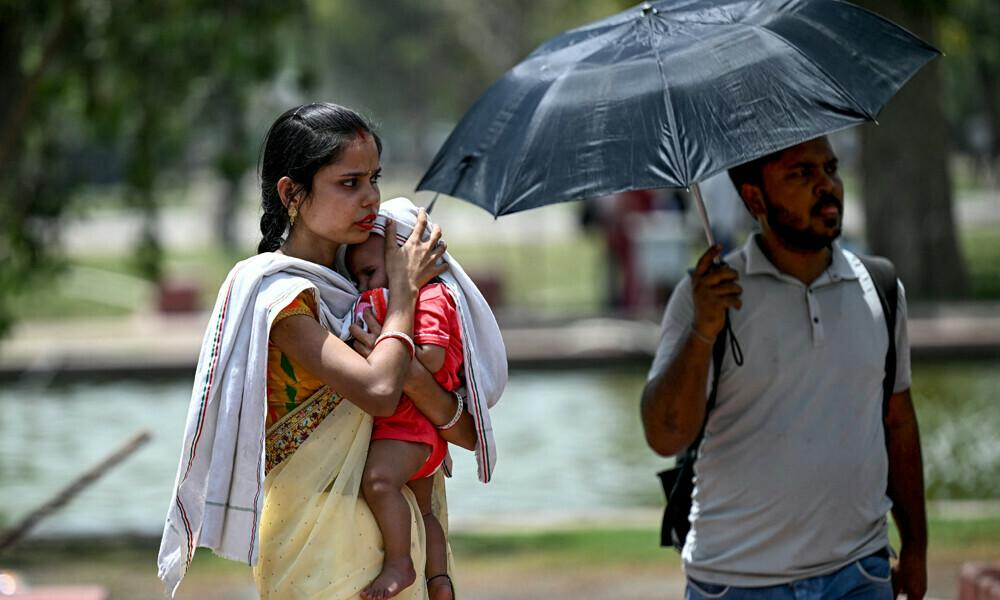
Young children are less efficient than adults at regulating body temperature. They can heat up faster, sweat less effectively and rely heavily on adults for water, rest and protection during extreme weather.
High heat combined with humidity can make conditions even more difficult because sweat does not evaporate as efficiently. Severe heat exposure can lead to dehydration and heatstroke and, in extreme cases, organ damage.
The heat burden is already growing
The research indicates that climate change has already doubled the number of Indian children aged 0–9 experiencing at least five total months of dangerous heat stress annually—from about 59 million to 118 million.
The projections become more concerning as global temperatures rise. In a world that reaches 1.5°C of warming, researchers estimate that around 166 million Indian children could experience at least one additional month of heat stress each year.
More than a summer problem
Extreme heat can affect children’s daily lives in ways that go beyond immediate illness. Hot conditions can make outdoor play difficult, interfere with concentration and learning, and create additional challenges for families without reliable access to cooling spaces.
Children from lower-income households may face greater risks because they often have fewer options for escaping extreme heat.
What can help protect children?
During periods of extreme heat, parents and caregivers can focus on basic protective measures: keeping children hydrated, limiting strenuous outdoor activity during the hottest periods, providing access to cooler environments and watching for signs of heat-related illness.
But the research also points to a much larger challenge. Protecting children over the long term will require stronger heat-health planning, climate adaptation and efforts to limit further warming.
The bigger picture
For India’s youngest generation, climate change is increasingly becoming a health issue as much as an environmental one. As heat exposure grows, keeping children safe will require action at home, in schools and across communities—not just checking the temperature forecast.