








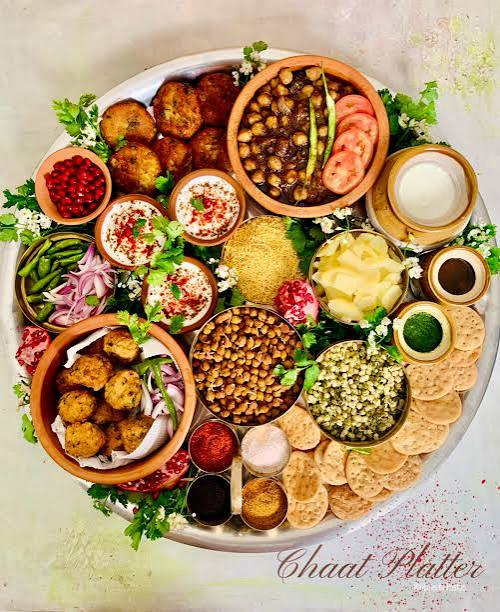
Food trends in 2026 are not simply about discovering the next viral dish. They are increasingly about how people want food to taste, feel and fit into everyday life.
Across restaurants, packaged foods and home kitchens, familiar Indian flavours are being reinvented, traditional sweets are getting contemporary makeovers and convenience is becoming a bigger part of cooking at home. At the same time, some consumers are exploring sugar-free products as part of changing food preferences.
The result is a food culture that feels simultaneously nostalgic and experimental—rooted in familiar flavours but willing to present them in completely new ways.
1. Bold, Chatpata Flavours Are Taking Centre Stage
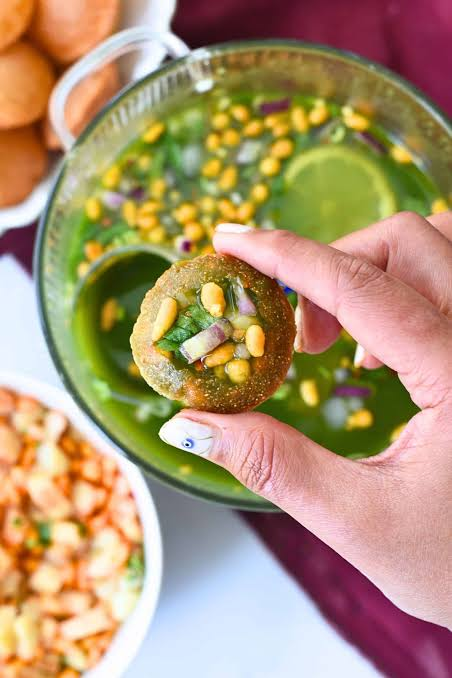
Mild and predictable flavours are making room for food with more personality.
The 2026 Godrej Food Trends Report, cited by the Times of India, expects chatpata and piquant flavours to remain influential, with chefs and food businesses experimenting with layered combinations and unexpected flavour pairings.
This reflects something deeply familiar in Indian food culture. Tangy, spicy, salty and sour notes have always played an important role in regional cooking. What is changing is how these flavours are being combined and presented.
A familiar street-food profile can now appear in contemporary dishes, snacks and restaurant menus in forms that feel both nostalgic and new.
2. The New Food Trend Is All About Flavour Combinations
The idea of a single dominant flavour is giving way to more adventurous combinations.
Sweet can meet salty, spicy can meet sour and traditional ingredients can appear alongside globally influenced flavours.
The Times of India describes this direction as a kind of “flavour collision,” where multiple sensations are intentionally brought together rather than keeping dishes within one predictable flavour profile.
For diners, that can make a meal feel more like an experience than a routine.
3. Mithai Is Getting an Indo-Modern Makeover

Traditional Indian sweets are also moving into a new phase.
Instead of abandoning classic mithai, the current trend is to rethink it through textures, presentation and unexpected flavour combinations.
The 2026 food report predicts an Indo-modern evolution of mithai, with familiar sweets being transformed into more multisensory experiences.
That could mean playing with crunch, creaminess, fruit, spice or contemporary plating while keeping the identity of the original sweet intact.
It is a useful example of how Indian food trends are increasingly about reinvention rather than replacement.
4. Home Cooking Is Becoming More Convenient
The renewed interest in cooking at home does not necessarily mean spending hours preparing every ingredient from scratch.
According to the 2026 food trends highlighted by TOI, home cooking is evolving into a hybrid model where prepared components can be combined with a fresh final touch at home.
This approach suits people with busy schedules.
A ready-made base, prepared sauce or pre-cut ingredient can save time, while finishing the dish personally still provides the satisfaction of cooking.
The kitchen therefore becomes less about choosing between “fully homemade” and “fully ready-made” and more about finding a practical middle ground.
5. Convenience Doesn’t Have to Mean Giving Up the Cooking Experience
There is an interesting psychological element to this shift.
Many people enjoy the final stages of cooking—the seasoning, garnishing, assembling and serving—even when they do not have the time for lengthy preparation.
The hybrid kitchen allows people to keep those enjoyable parts without turning dinner into a major project.
That could explain why convenience products and home cooking are increasingly able to coexist rather than compete with one another.
6. Protein Snacks Are Moving Away From Sweet Flavours
Protein-rich foods have often been associated with chocolate, vanilla or other sweet flavour profiles.
The 2026 food report points toward a more savoury direction, with namkeen-inspired protein snacks expected to gain attention.
This could open space for Indian-inspired flavours in a category that has traditionally leaned heavily toward Western-style sweet snacks.
Flavours inspired by familiar savoury foods may make protein products feel less like specialised fitness products and more like everyday snacks.
7. Sugar-Free Choices Are Becoming Part of the Food Conversation
Another noticeable shift is the growing visibility of sugar-free products.
A May 2026 article from Sugarless Bliss describes increasing consumer interest in sugar-free foods, pointing to products such as cookies, chocolates, traditional sweets and drinks as examples of how the category is expanding.
For a lifestyle audience, the interesting point is not whether every person should eliminate sugar. Rather, it is that reduced-sugar and sugar-free choices are becoming more visible in everyday food shopping.
People who want to change their eating habits can now find alternatives across more categories than before.
8. Traditional Foods Are Not Disappearing They Are Evolving
Many of the strongest 2026 trends are surprisingly connected to tradition.
Chatpata flavours draw from India’s long-standing love of spice and tang. Modern mithai builds on familiar sweets. Namkeen-inspired snacks borrow from local taste preferences. Even home cooking is being adapted rather than abandoned.
This suggests that the future of Indian food may not be about choosing between traditional and modern food.
Instead, it may be about making traditional ideas work for contemporary lifestyles.
9. Food Is Becoming More About Stories
The 2026 Godrej Food Trends Report puts unusual emphasis on the stories behind what people eat.
The report’s launch theme was “Stories,” and contributors argued that provenance, cultural memory and human connection are increasingly important ways of understanding food.
That means a dish can be interesting not only because of its ingredients, but because of where those ingredients come from, who made it and what tradition it represents.
In a crowded food market, storytelling can give familiar dishes a new sense of identity.
10. Regional Ingredients Could Get More Attention
The report also highlights the growing importance of female farmers and women-led agricultural businesses, connecting food trends with provenance and traditional ecological knowledge.
For consumers, this could translate into greater curiosity about where ingredients originate and the people behind them.
The trend also fits a wider movement toward food that feels more connected to local communities and regional traditions.
11. The Food Trend of 2026 Is Personalisation
Taken together, these developments point toward a larger shift.
People want stronger flavours, but they also want flexibility. They want traditional foods, but presented in contemporary ways. They want convenience, but still enjoy participating in the cooking process.
Even sugar-free choices fit into this larger picture: consumers increasingly want food options that match their own preferences and routines.
There is no single “perfect diet” or universal food trend. Instead, the market is becoming more fragmented—and more personalised.
12. What This Means for Everyday Eating
The most interesting part of the 2026 food landscape is that many of these trends can be experienced without visiting an expensive restaurant.
A spicy chutney can transform a familiar meal. A traditional sweet can be presented differently at home. A partly prepared ingredient can save time on a weekday. A savoury snack can offer an alternative to another sweet option.
In other words, food trends are increasingly moving into ordinary kitchens and everyday routines.
The Bigger Picture
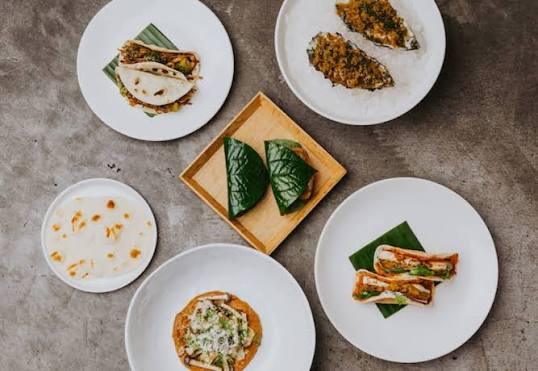
The food trends of 2026 suggest that consumers are not necessarily looking for completely unfamiliar food.
They are looking for familiar things with a twist.
A classic flavour can become more intense. Mithai can become more contemporary. Home cooking can become more convenient. Protein snacks can borrow from namkeen culture. Sugar-free products can provide more choice for people looking to change what they buy.
The common thread is flexibility.
Food is becoming less about following a fixed idea of what should be eaten and more about finding flavours, formats and experiences that fit modern life.