




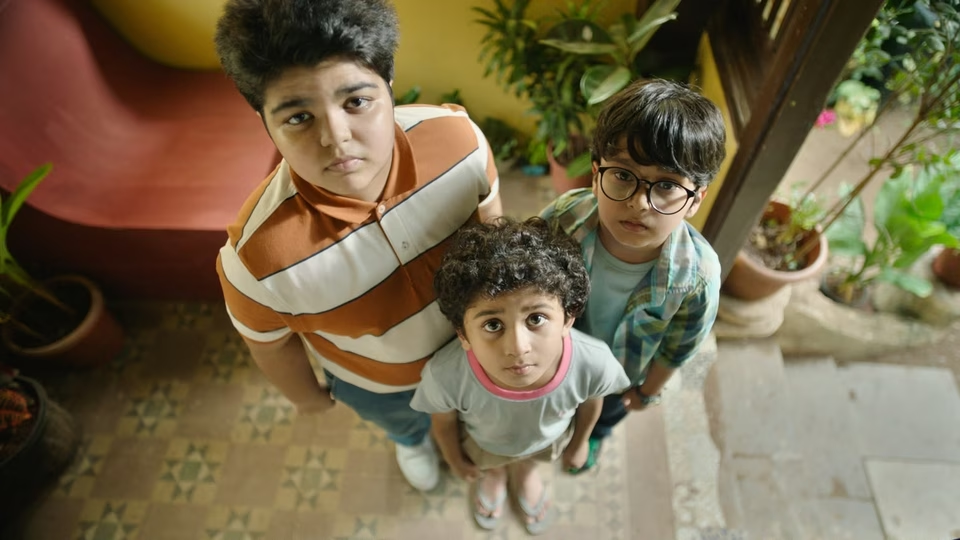
Hindi cinema has produced memorable films that placed children at the centre of their stories. From the fantasy of Makdee to the emotional journey of Taare Zameen Par, these movies entertained young audiences while exploring childhood, imagination, friendship and family relationships.
However, child-centric theatrical films have become less visible in mainstream Bollywood. As commercial priorities change and streaming platforms reshape viewing habits, filmmakers face a growing challenge: finding audiences and financial backing for stories made specifically for children.
1. Remembering Bollywood’s Golden Era of Children’s Films
Films such as Makdee (2002), Koi… Mil Gaya (2003), Taare Zameen Par (2007), Bhootnath (2008), Chillar Party (2011) and Stanley Ka Dabba (2011) demonstrated that stories centred on children could appeal to wider audiences.
These films explored everything from fantasy and adventure to school pressures, friendship and the importance of understanding children. Their lasting popularity also showed that children’s cinema did not have to rely entirely on animation or exaggerated comedy to connect with viewers.
2. Why Bollywood Is Making Fewer Child-Centric Films
One major challenge is commercial uncertainty. Producers often prioritise projects with recognisable stars, established franchises or formats that appear easier to market. A film led by child actors may not offer the same immediate box-office appeal, even when its story has the potential to connect with families.
Children’s films also need to appeal to adults who buy cinema tickets and accompany younger viewers. Creating a story that satisfies both groups requires careful writing, marketing and distribution.
As a result, producers may hesitate to invest in original children’s stories without a clear path to theatrical success.
3. The Difference Between Family Films and Children’s Cinema
Family entertainment and children’s cinema are not necessarily the same thing. A family film may feature adult protagonists and include humour or themes suitable for several age groups, while a child-centric story explores the world primarily through a young character’s perspective.
Films such as Taare Zameen Par and Stanley Ka Dabba gave children’s emotions, experiences and challenges a central place in the narrative. The decline of such films raises questions about whether the industry is creating enough stories that genuinely reflect how children see the world.
4. Have OTT Platforms Changed the Picture?
Streaming services have expanded access to films, animated features and international children’s content. Families can now discover stories from different countries without relying entirely on theatrical releases.
However, the growth of OTT platforms has not automatically replaced the experience of watching an original Indian children’s film in a cinema. The availability of content is different from the creation of stories rooted in Indian childhood, local settings and familiar cultural experiences.
The challenge is to build a sustainable audience for these films across theatres and digital platforms.
5. Why Filmmakers May Be Reluctant to Take the Risk
Children’s films require more than casting young actors. They need convincing performances, age-appropriate storytelling and narratives that avoid talking down to their audiences. Their marketing must also reach parents, children and families without making the films appear too narrow in appeal.
Commercial pressure can encourage filmmakers to favour genres with established audiences. Yet the success and continued discussion surrounding earlier children’s films suggest that thoughtful stories about young people can leave a lasting cultural impact.
6. Can Little Thomas Bring Children’s Cinema Back?
The upcoming film Little Thomas, directed by Kaushal Oza and produced with Anurag Kashyap, is an example of a new attempt to bring a child’s perspective to the big screen. Starring Gulshan Devaiah, Rasika Dugal and child actor Hridansh Parekh, the film is set in 1990s Goa.
Its story follows a seven-year-old boy who wants a younger brother and tries to find a way to make his wish come true. The film is scheduled to release in Indian theatres on October 23, 2026.
Oza has described the project as inspired by his own childhood and by the storytelling traditions of works such as Malgudi Days. Whether the film finds a wide audience may offer another indication of the opportunities available to filmmakers working in this genre.
7. Why Bollywood Needs More Stories Told Through Children’s Eyes
Children’s cinema can provide more than light entertainment. It can help young viewers understand emotions, relationships, social differences and the challenges of growing up. For adults, it can offer a fresh perspective on parenting, education and the pressures children face.
Reviving the genre will likely require producers to recognise children as an audience in their own right, while exploring distribution strategies that work across theatres and streaming services.
Bollywood’s next chapter in children’s cinema will depend on more than nostalgia for earlier hits. It will require original stories, thoughtful filmmaking and a willingness to give young characters the centre stage.
