








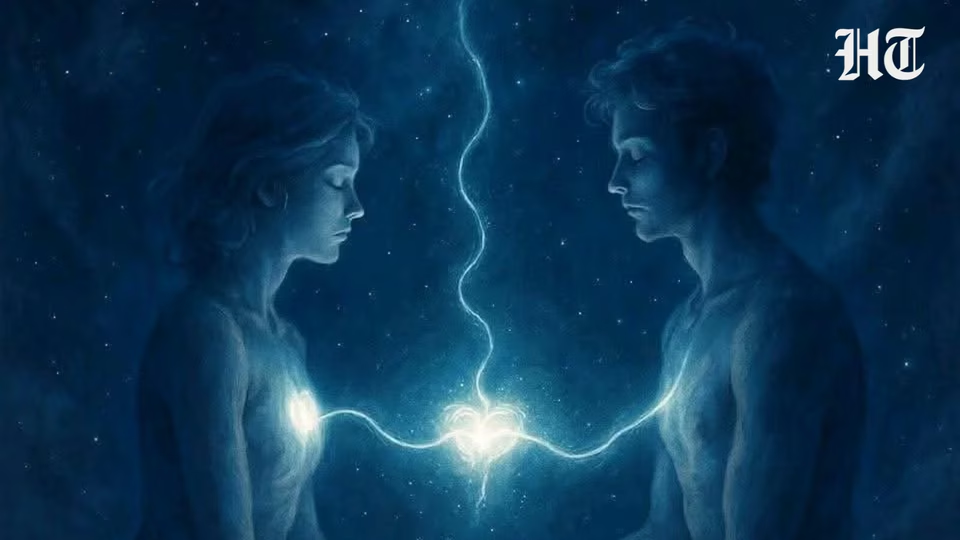
What Is the Theory of Three Meetings?
The theory of three meetings is a popular romantic idea suggesting that two people may cross paths three times before a meaningful relationship develops. The first encounter introduces them, the second creates an opportunity to reconnect, and the third may bring them together at the right moment.
While the idea is not a proven psychological rule, it offers an interesting way to think about love, timing and the unexpected turns of life.
The First Meeting: A Chance Encounter
The first meeting can be brief and seemingly insignificant. Two strangers might exchange a glance on a train, meet at a café or cross paths at a social gathering. There may be no conversation or immediate connection, yet the moment can leave a lasting impression.
Sometimes, a seemingly ordinary encounter becomes memorable only when the same person appears again.
The Second Meeting: A Missed Connection
The second encounter may bring recognition, curiosity or the feeling that the meeting is more than a coincidence. However, circumstances do not always allow two people to connect. Different priorities, hesitation or simply bad timing can prevent a relationship from developing.
A missed opportunity can leave people wondering what might have happened if they had taken a different step.
The Third Meeting: A Second Chance
In the theory, the third meeting represents another opportunity to connect. By then, both people may be in a different phase of life, more open to relationships or better prepared to recognise a potential connection.
The encounter does not guarantee romance, but it can provide a fresh opportunity to explore a relationship that never began earlier.
Is It Fate or Timing?
The theory raises an age-old question: are some encounters meant to happen, or do people create meaning from coincidence? There is no scientific evidence that everyone has three destined meetings with a future partner.
Psychologically, however, familiar faces can attract attention, while repeated encounters may create a sense of connection. People also tend to remember coincidences that fit a meaningful personal story.
Why the Theory Appeals to People
The idea resonates because it combines romance with hope. It suggests that a missed opportunity does not always have to be the end of a story and that relationships can develop when circumstances change.
Ultimately, the theory of three meetings is best viewed as a romantic perspective rather than a rule for finding love. Whether a connection begins at the first meeting or develops much later, mutual interest, communication and effort matter more than the number of times two people cross paths.
