






The Fitness World Is Becoming Smarter
Fitness in 2026 is moving beyond simply exercising harder. Technology, recovery, personalised training and long-term wellbeing are increasingly influencing how people approach their workouts.
From AI-powered coaching to immersive experiences, here are some of the trends expected to shape the fitness landscape.
AI-Powered Coaching Is Gaining Ground
Artificial intelligence is becoming a bigger part of fitness technology. AI-based platforms can analyse information about activity and performance to provide more personalised training suggestions.
This could make workout planning more flexible, particularly for people whose schedules and recovery levels change frequently.
Training Is Becoming More Data-Driven
Wearables and fitness trackers are giving people access to more information about their activity and recovery. Instead of relying only on how a workout feels, users can increasingly use data to understand patterns in their performance.
This growing focus on measurable information is helping turn fitness into a more personalised experience.
Functional Strength Is Getting More Attention
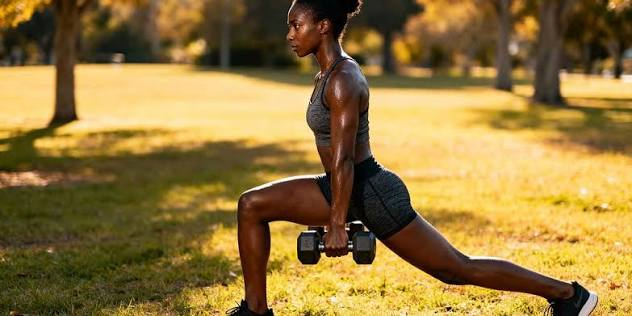
Strength training is expanding beyond traditional weightlifting. Functional exercises focus on movements that relate to everyday activities and overall physical performance.
The trend reflects a broader interest in building useful strength, stability and mobility rather than concentrating only on appearance.
Brain And Body Training Are Coming Together
Another emerging idea is combining physical activity with mental challenges. These approaches aim to make exercise more demanding for both the body and the mind.
The trend reflects growing interest in the relationship between cognitive performance and physical fitness.
Immersive Workouts Are Changing Exercise
Virtual reality, interactive equipment and smart gym technology are making workouts more engaging. By adding game-like or immersive elements, fitness experiences can become more entertaining.
This could be particularly appealing to people who find traditional workouts repetitive.
Smarter Hydration And Recovery
Fitness technology is increasingly being used to understand hydration and recovery. Wearable and sensor-based devices are exploring ways to provide more personalised information during physical activity.
At the same time, recovery is becoming a bigger part of the overall fitness conversation rather than being treated as an afterthought.
Sleep Is Becoming Part Of Fitness Planning
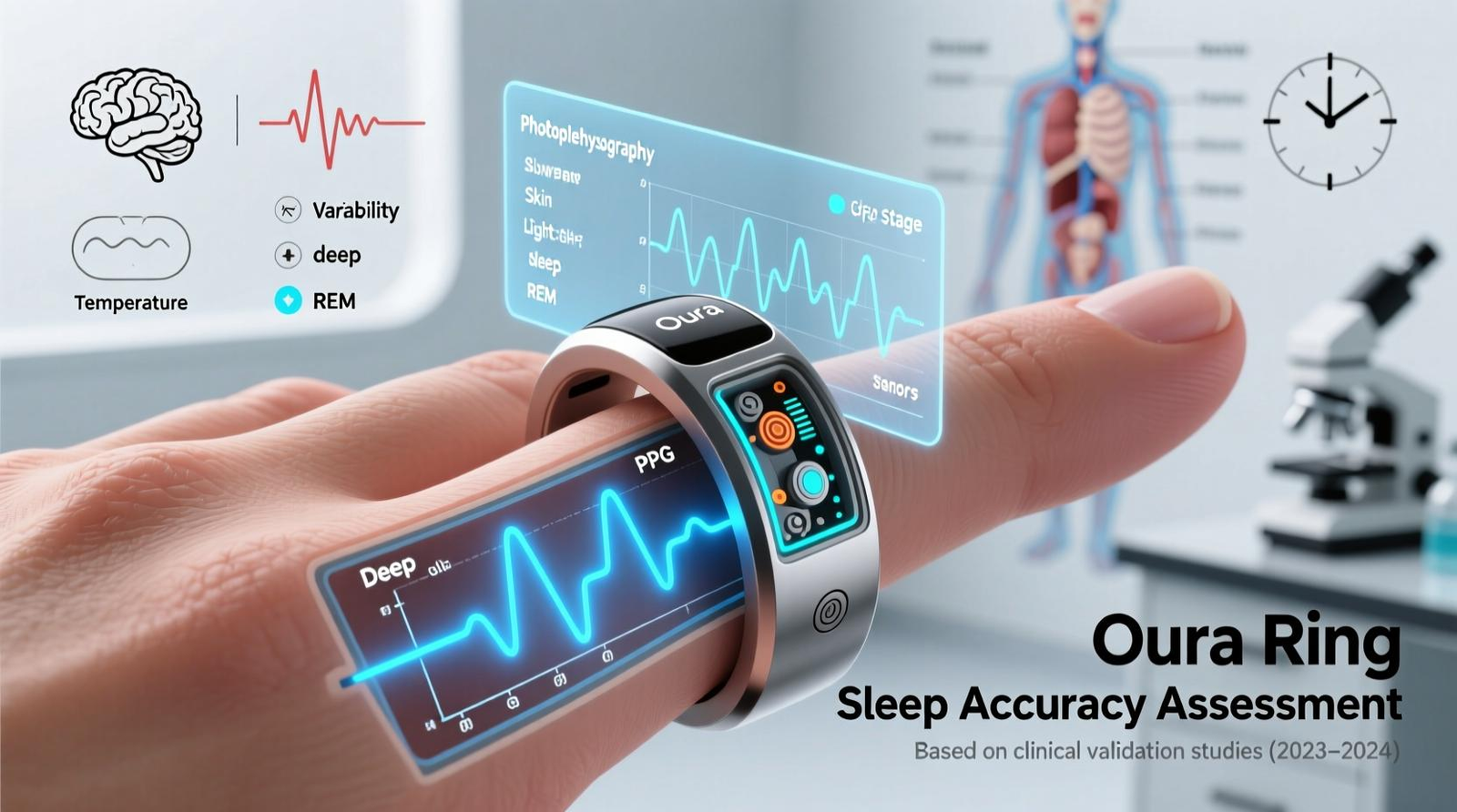
The connection between sleep, recovery and performance is receiving greater attention. Fitness enthusiasts are increasingly using wearable technology to monitor their sleep patterns.
This reflects a wider shift toward viewing good rest as an important part of an active lifestyle.
Training Plans Are Becoming More Flexible
Repeating the same workout routine indefinitely is losing some of its appeal. More structured approaches are dividing training into different phases, allowing people to focus on different abilities at different times.
This can make fitness programmes feel more varied and adaptable.
Technology Is Supporting Active Recovery
Recovery-focused technology is becoming increasingly visible in the fitness space. Products designed around massage, compression and other recovery methods are being incorporated into post-workout routines.
The growing trend shows that fitness is increasingly being viewed as a complete cycle of training, recovery and adaptation.
Long-Term Fitness Is Becoming The Bigger Goal
One of the most significant changes is the move toward sustainable fitness. Instead of focusing only on short-term performance, people are increasingly interested in maintaining strength, mobility and activity over the long term.
This shift connects modern fitness with broader ideas of healthy ageing and overall wellbeing.
The Future Of Fitness Is More Personalised
The fitness trends emerging in 2026 point toward a more connected and individualised approach to exercise. AI, wearable technology, immersive workouts and recovery tools are changing how people understand their bodies and organise their training.
The biggest trend may ultimately be a move away from simply doing more exercise toward finding smarter, more sustainable ways to stay active.