








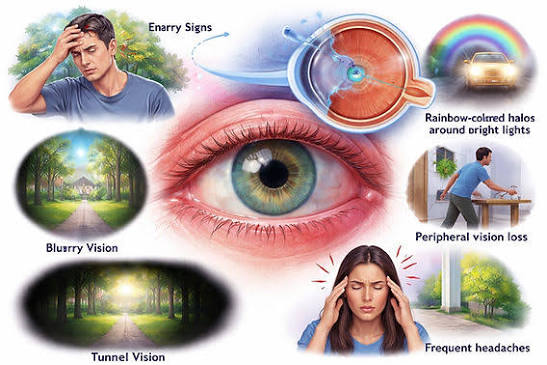
Glaucoma is an eye condition that can damage the optic nerve gradually, often without causing noticeable changes in vision during its early stages. Because people may continue reading, driving and carrying out daily activities normally, the condition can go undetected until significant damage has occurred.
An ophthalmologist explains why clear vision does not always mean healthy eyes and why routine eye examinations are essential.
How Glaucoma Can Go Unnoticed
Glaucoma affects the optic nerve, which carries visual information from the eye to the brain. In many cases, damage begins with peripheral vision the ability to see objects outside the direct line of sight while central vision remains clear.
The brain can compensate for small gaps in the visual field, making early changes difficult to recognise. Some people only notice a problem when their field of vision becomes significantly restricted.
Can Glaucoma Develop With Normal Eye Pressure?
Yes. Although elevated eye pressure is an important risk factor, it is not the only indicator of glaucoma. Some people develop optic nerve damage despite having pressure readings within the normal range. This form is known as normal-tension glaucoma.
Consequently, a simple eye-pressure measurement alone cannot rule out the condition. A comprehensive assessment may include an optic nerve examination, visual field testing and imaging scans such as optical coherence tomography (OCT).
Who May Be at Higher Risk?
Certain factors can increase the risk of developing glaucoma, including:
- Being over 40, with risk increasing with age
- Having a parent or sibling with glaucoma
- Significant short-sightedness
- Diabetes or a history of eye injury
- Long-term steroid use, including certain eye drops or other prescribed medicines
People with these risk factors should discuss appropriate screening intervals with an eye specialist.
Why Early Detection Is Important
Damage to the optic nerve caused by glaucoma cannot generally be reversed. However, treatment can help slow or control further damage and preserve remaining vision.
Depending on the type and severity of the condition, treatment may include pressure-lowering eye drops, laser procedures or surgery. Regular follow-ups help doctors monitor the optic nerve and adjust treatment when needed.
When Should You Get Your Eyes Checked?
Do not wait for blurred vision or other obvious symptoms before seeking an eye examination. A comprehensive assessment is particularly important if you have a family history of glaucoma, diabetes, significant short-sightedness or prolonged steroid use.
Sudden severe eye pain, redness, blurred vision, halos around lights, headache or nausea can signal an eye emergency and require immediate medical attention.
The bottom line: Normal vision and normal eye pressure do not guarantee that glaucoma is absent. Regular, specialist-led eye examinations are important for detecting the disease early and protecting long-term vision.
Disclaimer: This article is for general informational purposes only and is not a substitute for professional medical advice, diagnosis or treatment. Consult a qualified eye specialist about your individual risk and screening needs.
