








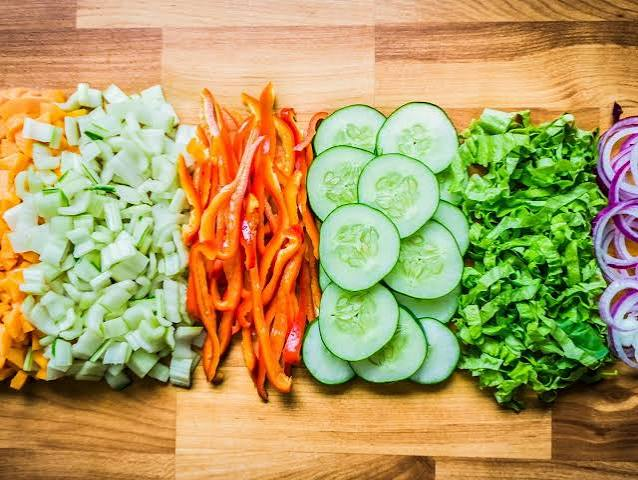
Preparing vegetables before cooking can make everyday meals faster, more organised and less stressful. A little planning can also help reduce food waste and make it easier to use fresh produce throughout the week.
Here are eight simple ways to make vegetable prep more efficient.
1. Wash Before Cutting
Wash vegetables thoroughly before chopping them. Cutting first and washing later can cause some water-soluble nutrients to be lost.
2. Chop According to the Meal
Instead of cutting everything into the same size, prepare vegetables according to how you plan to cook them. Larger pieces can work well for roasting, while smaller cuts may be useful for stir-fries, curries and soups.
3. Prep Frequently Used Vegetables
Onions, carrots, capsicum and other commonly used vegetables can be cleaned and portioned ahead of time. Keeping them ready can reduce preparation work on busy days.
4. Store Them Properly
Use suitable containers or breathable storage bags for prepped vegetables and refrigerate them when required. Proper storage can help maintain quality and slow spoilage.
5. Keep Leafy Greens Separate
Leafy vegetables can lose freshness quickly if stored wet. Dry them properly after washing and store them in a way that limits excess moisture.
6. Use Older Vegetables First
Organise the refrigerator so vegetables that are likely to spoil sooner are easy to see. Using them first can help prevent unnecessary food waste.
7. Freeze What You Cannot Use
Some vegetables can be blanched and frozen when you know they will not be used immediately. Freezing can be particularly useful for preserving surplus produce.
8. Don’t Throw Away Useful Trimmings
Vegetable peels, stems and other edible trimmings can sometimes be used in stocks, soups or other preparations, depending on the vegetable. This simple habit can help reduce kitchen waste.
Make Vegetable Prep a Weekly Habit
A short preparation session can save time during the week and make home cooking easier. The key is to prep only what you are likely to use and store each vegetable appropriately.