

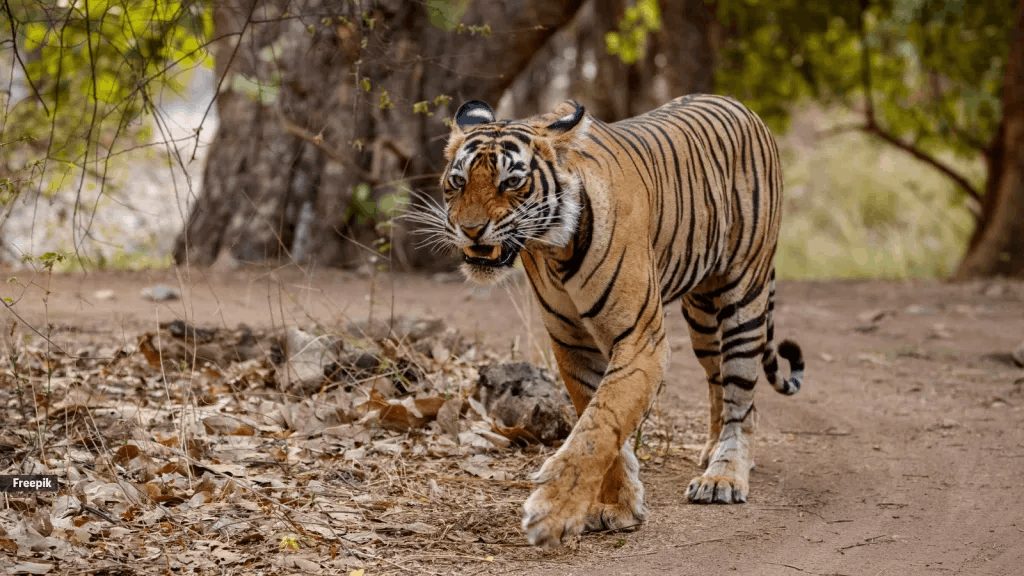






Seeing a tiger in its natural habitat is one of India’s most memorable wildlife experiences. From the dry forests of Rajasthan to the lush landscapes of Karnataka and the dense jungles of Madhya Pradesh, several national parks and tiger reserves offer opportunities to observe the country’s iconic big cat.
While no safari can guarantee a tiger sighting, the right destination, season and a little patience can make a wildlife trip more rewarding. India has an extensive network of officially recognised tiger reserves spread across different habitats.
1. Ranthambore National Park, Rajasthan
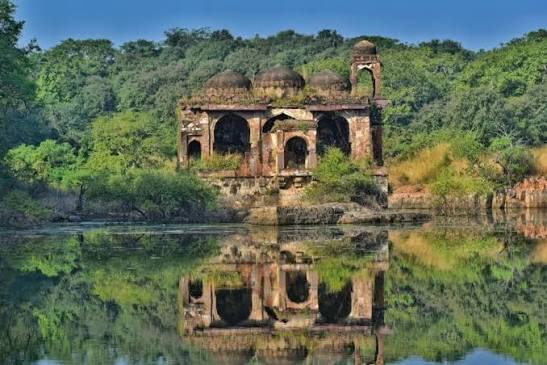
Ranthambore combines wildlife with a striking historical landscape. Its dry forests, lakes and old fort structures create a distinctive setting for a safari.
The relatively open terrain can sometimes make animals easier to spot, while the reserve is also known for leopards, sloth bears, sambar and a variety of birds.
2. Bandhavgarh National Park, Madhya Pradesh
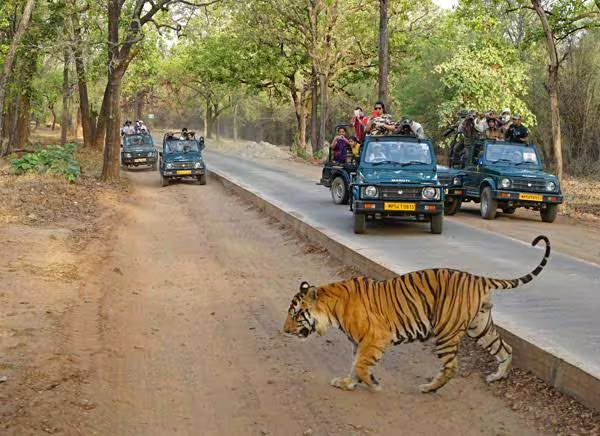
Bandhavgarh is widely known for its tiger population and varied landscape of sal forests, grasslands and rocky terrain.
The reserve is particularly popular with visitors travelling to central India for a dedicated tiger safari. Alongside tigers, visitors may encounter deer, leopards, langurs and numerous bird species.
3. Kanha National Park, Madhya Pradesh
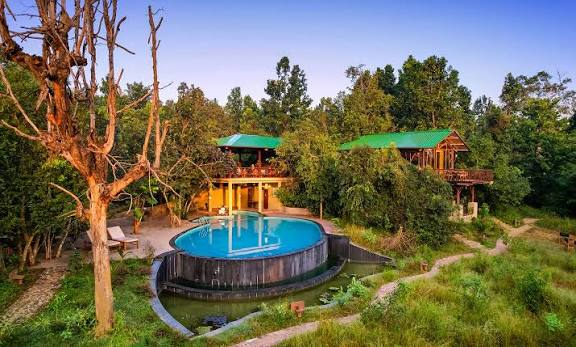
Kanha offers a combination of expansive meadows, sal forests and bamboo-covered areas. The landscape also played a role in inspiring the setting associated with Rudyard Kipling’s The Jungle Book.
The park is home to tigers as well as several other species, and it is especially noted for its conservation work involving the hard-ground barasingha.
4. Tadoba-Andhari Tiger Reserve, Maharashtra
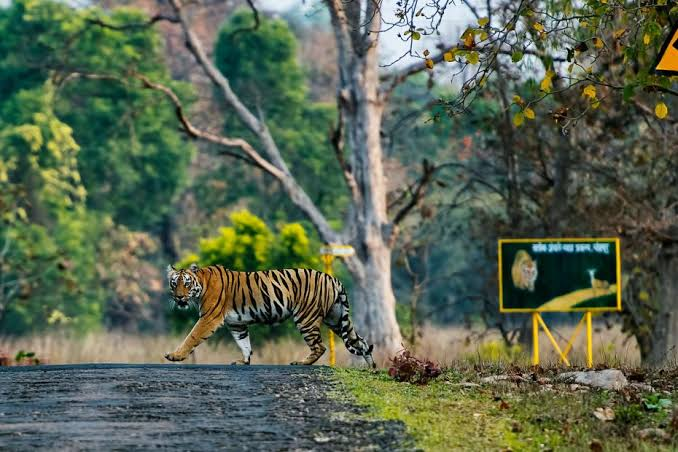
Tadoba has become a popular destination for wildlife enthusiasts looking for tiger sightings. Its dry deciduous forests, bamboo patches, grasslands and water bodies provide varied habitats for wildlife.
Besides tigers, safari-goers may encounter leopards, sloth bears, wild dogs, deer and numerous bird species.
5. Jim Corbett National Park, Uttarakhand
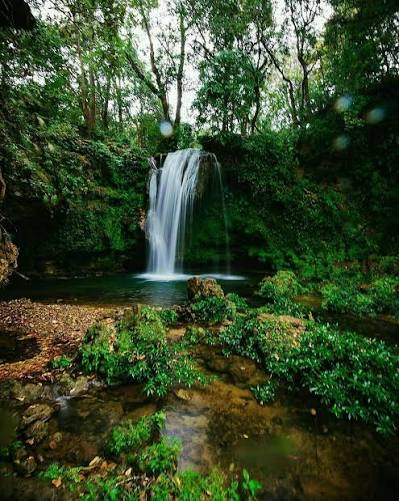
Established in 1936, Jim Corbett is India’s oldest national park and was among the original landscapes associated with Project Tiger.
Its forests and grasslands support tigers along with elephants, crocodiles, deer and a rich variety of birds. The Dhikala landscape is particularly well known among wildlife enthusiasts.
6. Pench National Park, Madhya Pradesh and Maharashtra
Pench stretches across Madhya Pradesh and Maharashtra and is known for its dry deciduous forests, open areas and diverse wildlife.
The reserve supports tigers, leopards, wild dogs, gaur and several species of deer, making a safari here about more than just searching for one animal.
7. Nagarhole National Park, Karnataka
Located within the larger Nilgiri landscape, Nagarhole offers visitors a combination of forests, waterways and open patches.
Tigers share this habitat with elephants, leopards, deer and many bird species. The surrounding landscape also makes it an interesting destination for travellers who want a broader wildlife experience.
When Is the Best Time for a Tiger Safari?
The warmer months can offer useful conditions for tiger spotting because water becomes more important to wildlife and vegetation can become less dense. However, safari conditions and park opening periods vary between reserves.
Travellers should check the latest rules, safari zones and seasonal closures before booking. Tiger reserves are protected habitats, so visitors should always follow forest department instructions and maintain a respectful distance from wildlife.
Tips for Planning a Tiger Safari
- Book safaris well in advance, particularly during popular travel periods.
- Check the reserve’s current opening dates before planning your trip.
- Carry binoculars and suitable clothing for changing weather conditions.
- Follow the guide and forest department’s instructions throughout the safari.
- Avoid loud conversations and never attempt to attract an animal.
- Be prepared for the possibility that you may not see a tiger—the forest experience itself is part of the journey.
The Experience Goes Beyond the Tiger
A tiger safari is ultimately about exploring a living ecosystem rather than simply ticking an animal off a travel list. Leopards, elephants, deer, birds and smaller wildlife can all become part of the experience.
For travellers interested in India’s wildlife, these reserves offer different landscapes and safari experiences while also highlighting the importance of protecting the country’s remaining tiger habitats.