






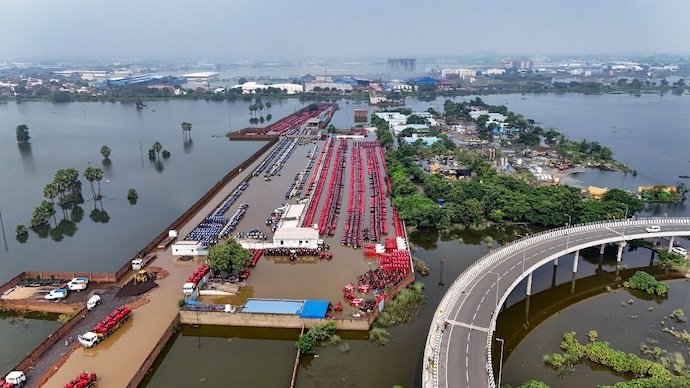

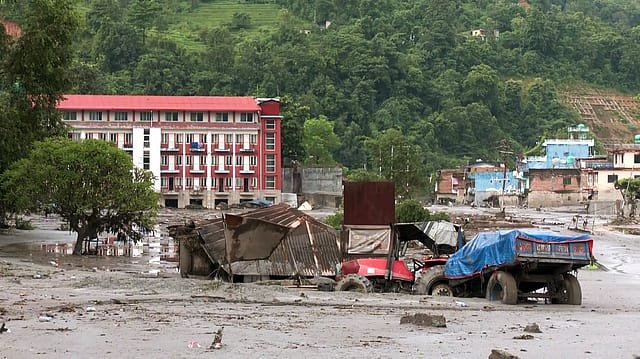
Nepal is facing one of its worst natural disasters in recent years after devastating floods and mudslides swept through parts of the Himalayan region, leaving thousands of people dead or unaccounted for.
The disaster began after a glacial collapse near the Nepal-China border on August 26, triggering a destructive surge of water, mud and debris through communities and infrastructure. The flooding caused extensive damage in Nepal and Tibet and disrupted important roads, hydropower projects and pilgrimage routes.
As rescue operations continue, authorities are dealing with the difficult task of recovering and identifying victims. Nepal’s government said recovered bodies have been temporarily buried after forensic procedures, while teams from India, China, Japan, Singapore and South Korea are assisting with DNA collection and identification.
The scale of the disaster has made rescue operations extremely challenging. Several hydropower projects were damaged, with rescuers concentrating on tunnels where workers are believed to have been trapped beneath mud and debris. Specialized equipment and oxygen supplies have been deployed at some sites.
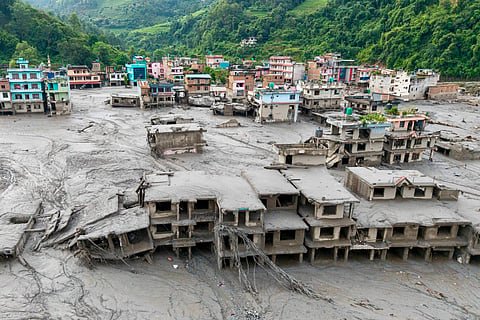
Despite the enormous destruction, rescue teams have also recorded moments of hope. Several people have been found alive after being trapped in tunnels or beneath collapsed structures. One Nepali woman was rescued alive after spending days inside a mud-buried home, while hydropower workers have also survived after being trapped underground.
The disaster has also left families facing an agonizing wait for information about missing relatives. Many victims have yet to be identified, making DNA testing and forensic investigations an important part of the ongoing response.
The tragedy has affected foreign nationals as well, including tourists and pilgrims who were in the region when the floods struck. Authorities and rescue teams are continuing efforts to locate missing people and provide information to their families.
With roads and infrastructure damaged across affected areas, rescue teams face major logistical challenges. The disaster has also renewed concerns about the vulnerability of Himalayan communities to extreme weather events and glacier-related hazards.
The Nepal tragedy remains an ongoing humanitarian emergency, with rescue, recovery and identification operations continuing across several affected districts.