







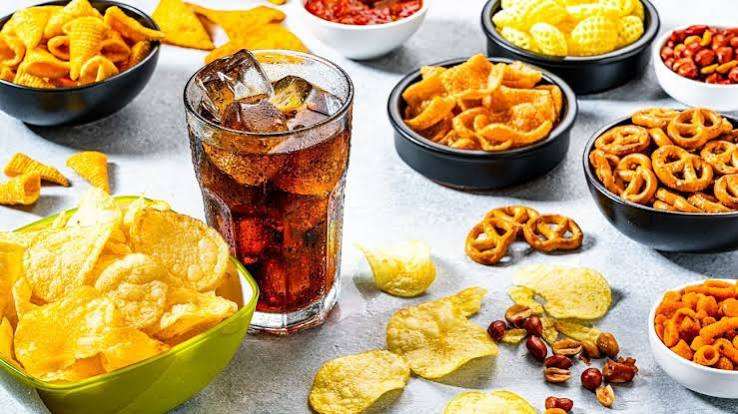
Could changing what you eat also influence your mood? New research suggests that cutting back on ultra-processed foods (UPFs) may help reduce symptoms of depression, although experts say more research is needed.
A small study published in JAMA Psychiatry found that people who significantly reduced their UPF intake experienced improvements in depression and anxiety scores. The study included 20 adults with depression, with 19 completing the research.
What Did the Study Find?
Participants followed their usual diet during one phase and a low-UPF diet during another. Their UPF consumption dropped by more than 85% during the low-UPF phase.
Average scores on the commonly used PHQ-9 depression questionnaire fell from 8.68 during the usual-diet phase to 5.53 while participants followed the low-UPF diet. However, the study was small and relied partly on self-reported dietary information, so the results cannot prove that reducing UPFs directly treats depression.
Why Could Food Affect Mood?
Researchers are exploring several possible connections, including inflammation, metabolic health, nutrition and the gut-brain axis. Ultra-processed foods can also be lower in fiber and certain vitamins and minerals compared with minimally processed whole foods.
However, not every processed food is unhealthy. Foods such as plain yogurt, oats, canned beans and frozen vegetables can still be nutritious and convenient.
Simple Ways to Cut Back
Instead of eliminating every packaged food, experts recommend making gradual changes. You could replace sugary drinks with water, choose fruit or nuts instead of packaged snacks, and build meals around vegetables, whole grains and protein-rich foods.
The Bottom Line
Reducing ultra-processed foods may support better mental well-being, but it should not be considered a treatment for depression. Larger studies are needed to understand whether changing UPF intake directly improves depressive symptoms. Anyone experiencing persistent depression should seek appropriate professional support.